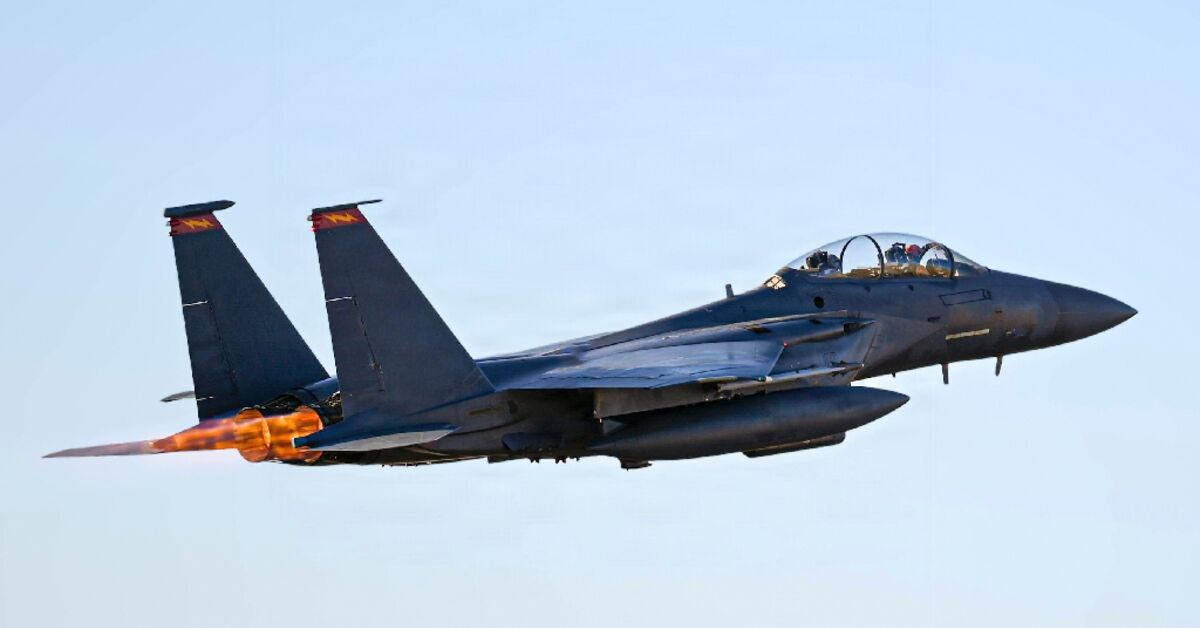
U.S. forces are working diligently to locate the crew of a missing fighter jet believed to have been shot down on Friday. Retired General Houston Cantwell has provided crucial advice on how to survive if parachuting into enemy territory. Cantwell, who now works at the Mitchell Institute for Aerospace Studies, noted that the first moments after an explosion are filled with panic and confusion.
He stated, "You feel like you were in a fighter jet two minutes ago, flying at a speed of 500 miles per hour, and suddenly a missile explodes 15 feet from your head." These critical moments require high focus and readiness to survive in a hostile environment.
Details of the Incident
The American efforts to find the missing crew continue amidst rising tensions with Iran, which is believed to be behind the downing of the aircraft. Reports indicate that the plane was conducting reconnaissance missions in a sensitive area, complicating the situation further.
In this context, General Cantwell's advice is particularly important for military pilots, focusing on how to hide and search for water, which are essential elements for survival in difficult conditions. He also emphasized the importance of staying calm and thinking clearly in such circumstances.
Background & Context
Historically, U.S.-Iranian relations have seen increasing tensions, especially in recent years. Repeated military incidents have heightened fears of a larger conflict in the region. In this context, the downing of military aircraft is part of a military strategy aimed at demonstrating power and deterrence.
These incidents remind us of the importance of military training and preparedness to face any emergency. Surviving after a plane is shot down requires special skills and knowledge of how to act in hostile environments.
Impact & Consequences
This incident illustrates how military events can affect international relations, especially among major powers. By targeting American aircraft, Iran sends a strong message about its ability to respond to military threats.
Moreover, this incident could lead to increased tensions in the region, prompting major powers to reassess their military and diplomatic strategies. Any escalation in this context could have negative repercussions on regional and international security.
Regional Significance
These events are particularly significant for Arab countries, reflecting the military tensions in the region. Arab nations dealing with Iran directly or indirectly may find themselves in a sensitive position requiring strategic decision-making.
Furthermore, the escalation of military tensions could impact stability in the region, necessitating Arab countries to enhance their security and military cooperation to face common challenges.
In conclusion, this incident highlights the importance of preparation and training in facing military risks, shedding light on the increasing tensions in international relations, which calls for proactive measures from Arab nations to ensure their security and stability.