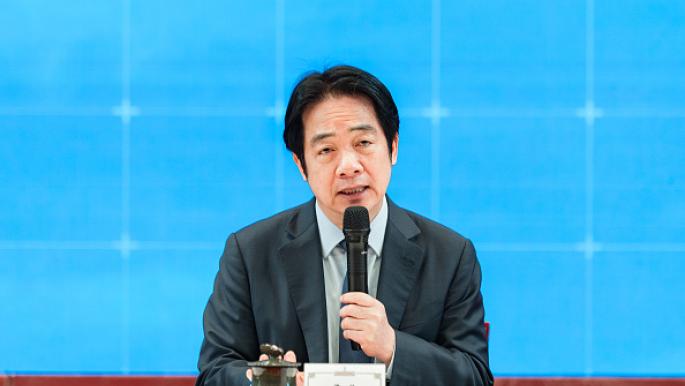
Taiwan's Foreign Minister, Lin Chia-lung, condemned China's recent actions aimed at pressuring African nations to revoke flight permits for the island's president. These statements come at a sensitive time as Taiwan seeks to enhance its international relations in the face of increasing Chinese pressure.
The minister explained that these actions represent a violation of Taiwan's sovereignty, noting that China aims to isolate the island on the international stage. He pointed out that this pressure is not new but has notably escalated in recent times.
Details of the Incident
In related reports, it has been confirmed that China has exerted pressure on several African nations, resulting in the cancellation of flight permits for Taiwan's president. This move reflects China's strategy to undermine any international recognition of Taiwan, which Beijing considers part of its territory.
Lin Chia-lung also indicated that this pressure affects the freedom of movement and communication between Taiwan and other countries, hindering the island's efforts to strengthen its diplomatic relations. Taiwan has affirmed its commitment to continue seeking to enhance its international presence despite these challenges.
Background & Context
Historically, relations between Taiwan and China have seen increasing tensions since the end of the Chinese Civil War in 1949, when nationalists retreated to Taiwan after their defeat by the communists. Since then, China has regarded Taiwan as part of its territory, while Taiwan strives to maintain its independence.
In recent years, Chinese pressure on countries that recognize Taiwan has intensified, with many nations shifting their positions in favor of Beijing. This dynamic significantly impacts the geopolitical situation in the region, complicating international relations.
Impact & Consequences
These Chinese actions pose a significant challenge to Taiwan as the island seeks to enhance its international presence. Such pressures may exacerbate tensions between China and countries cooperating with Taiwan, potentially affecting regional stability.
Furthermore, these developments could lead to increased international support for Taiwan, as Western nations aim to bolster their stance against Chinese expansion. This support may manifest in military or economic cooperation, further complicating the geopolitical landscape.
Regional Significance
For Arab nations, these developments may affect relations with China, which is considered a key economic partner. Should China continue to pressure other countries, Arab states may need to reassess their relationships with both Beijing and Taiwan.
Additionally, strengthening ties between Taiwan and other nations could open new avenues for cooperation in various fields, benefiting the Arab region in areas such as trade and technology.
In light of escalating Chinese pressures, Taiwan remains determined to enhance its international presence, paving the way for further tensions in international relations. The international community must closely monitor these developments.