On January 27, 2026, scientists set the hands of the "Doomsday Clock" to 85 seconds before midnight, marking the closest point to catastrophe in the history of this symbolic clock. Established by the Bulletin of the Atomic Scientists in 1947, this clock reflects how close humanity is to the danger of a new nuclear disaster.
Historically, the clock indicated seven minutes to midnight in 1947, then moved to two minutes in 1953 due to nuclear testing. However, recent years have seen escalating military tensions, bringing the hands closer to "midnight," with readings of 89 seconds and then 85 seconds this year.
Details of the Incident
The threat to humanity extends beyond the use of nuclear bombs to the deliberate targeting of nuclear power plants. In 1985, Dr. Bennett Ramberg wrote about how conventional weapons could be used to bomb nuclear reactors, resulting in the release of radioactive materials over thousands of miles. Ukrainian author Svetlana Alexievich confirmed that the explosion at Chernobyl had catastrophic effects similar to the atomic bomb dropped on Hiroshima.
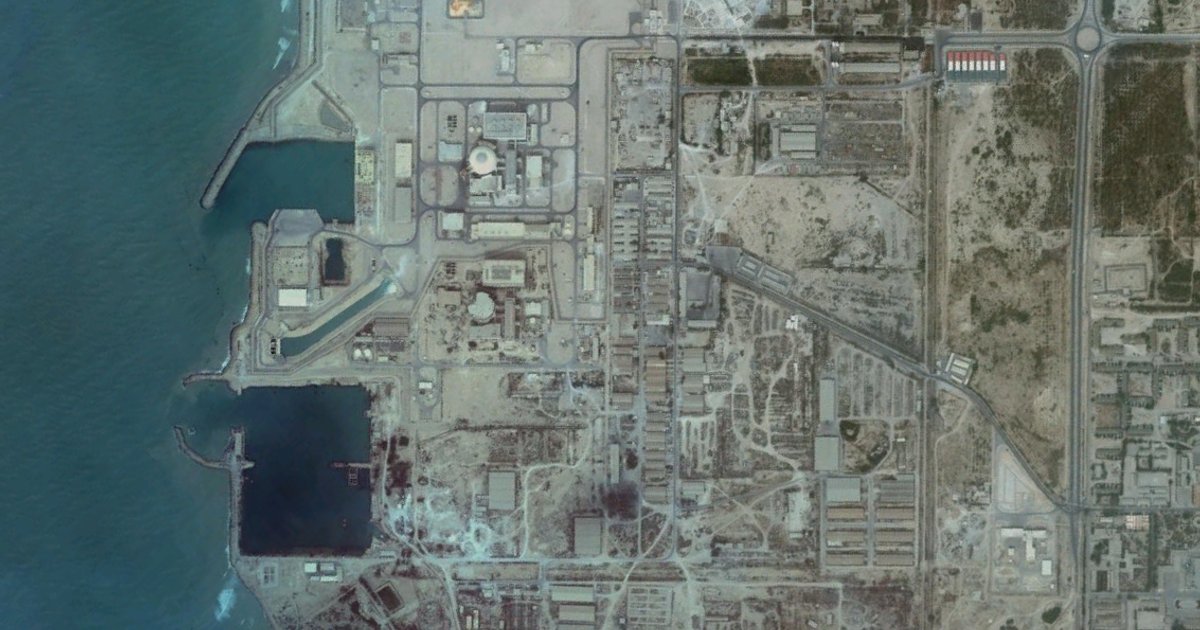
On March 17, 2026, a projectile struck the Iranian Bushehr plant, raising international concerns about the potential for a nuclear disaster. Although no injuries were reported, military pressures on Iran are increasing, with American and Israeli airstrikes repeatedly targeting its nuclear facilities.
Background & Context
The Bushehr plant was established in the 1970s and officially began operations in 2011, generating 1000 megawatts of power. It is considered one of Iran's most dangerous nuclear sites, housing significant amounts of radioactive materials. According to military analyst Michael Schneider, any disruption to water and electricity supplies could lead to a nuclear disaster within an hour.
Despite warnings, the International Atomic Energy Agency has been unable to access Iranian nuclear facilities to assess damage or potential health impacts. Satellite images have shown damage to other sites such as Isfahan and Arak.
Impact & Consequences
The ongoing war in Ukraine continues to demonstrate how nuclear facilities can become military targets, as the Zaporizhzhia plant has been shelled, leading to severe damage. Experts warn that such attacks could result in a humanitarian catastrophe greater than that witnessed in Fukushima.
Modern conflicts are increasingly using nuclear facilities as tools in military strategies, heightening the risk of nuclear disasters. Researchers have noted that non-nuclear states may resort to targeting opponents' nuclear facilities as a means of deterrence.
Regional Significance
The current events in Iran and threats to its nuclear plants serve as a wake-up call for Arab countries. Military conflicts involving nuclear facilities could have serious repercussions for regional security. Arab nations must take steps to protect their nuclear facilities and avoid slipping into conflicts that could lead to humanitarian disasters.
In conclusion, the importance of enhancing international cooperation to protect nuclear facilities from military targeting is underscored, ensuring the safety of humanity and preventing the recurrence of historical catastrophes.