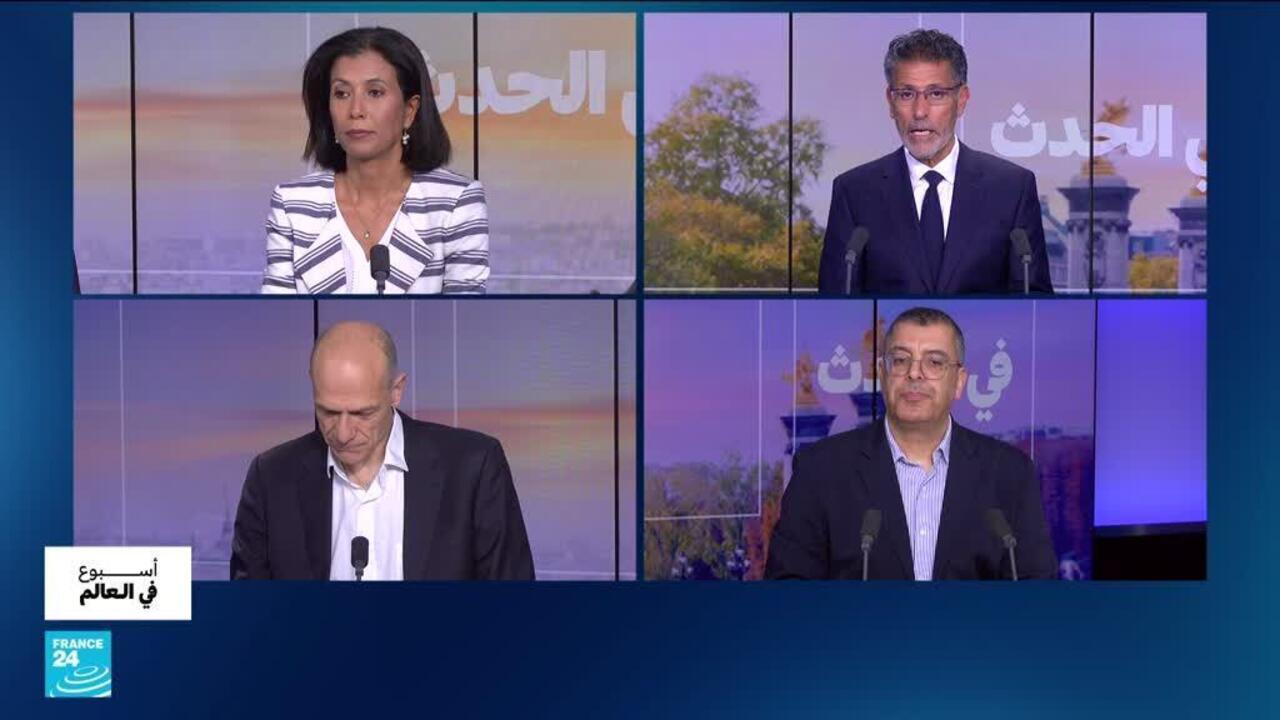
Events in the Middle East are accelerating, with tensions between the United States and Iran emerging as one of the most concerning issues in the region. As attention turns to peace talks between Israel and Lebanon, the situation remains ambiguous and requires careful analysis to understand its implications.
The verbal war between the United States and Iran is one of the most prominent manifestations of current tensions. The two countries exchange accusations, escalating the conflict and making it difficult to predict the course of events. At the same time, regional and international powers continue to seek diplomatic solutions, but the outcomes remain unclear.
Details of the Event
Fears of a potential military escalation between the United States and Iran are increasing, with reports suggesting that both sides may be prepared to escalate tensions further. In this context, statements from American and Iranian officials emerge as key factors influencing the course of events. Additionally, military movements in the region reflect potential preparations for any escalation.
On the other hand, talks between Israel and Lebanon raise questions about the future of relations between the two sides. After a period of relative calm, fears of renewed conflict have resurfaced, especially with rising tensions over maritime borders. These talks, which appear complex, could significantly impact the stability of the region.
Background & Context
Historically, relations between the United States and Iran have experienced significant fluctuations, with tensions beginning after the Iranian Revolution in 1979. Since then, there have been numerous crises that have escalated the situation. In recent years, American economic sanctions on Iran have complicated matters, prompting Tehran to adopt more hardline positions.
As for relations between Israel and Lebanon, they have a long history of conflicts, starting from the Lebanese Civil War to ongoing border disputes. This historical background makes achieving lasting peace between the two sides challenging, especially in light of the influence of other regional powers on the situation.
Impact & Consequences
Tensions between the United States and Iran could have serious repercussions for regional security. Escalation of the conflict may lead to military interventions by other countries, further complicating the situation. Moreover, any escalation could impact global oil markets, negatively affecting the global economy.
Regarding the talks between Israel and Lebanon, failure in these discussions could lead to renewed conflict, threatening the stability of the entire region. Additionally, any escalation in this context may affect relations between Arab countries and Israel, especially considering recent developments in Israeli relations with some Arab nations.
Regional Significance
Arab countries are directly affected by tensions in the Middle East, as any escalation could lead to an influx of refugees and increased economic pressures. Furthermore, the deteriorating security situation may impact foreign investments in the region, exacerbating the economic challenges faced by Arab nations.
In conclusion, the situation in the Middle East remains complex, with tensions between major powers intertwining with regional conflicts. Intensive diplomatic efforts are required to achieve stability and avoid escalation that could lead to dire consequences for the region.