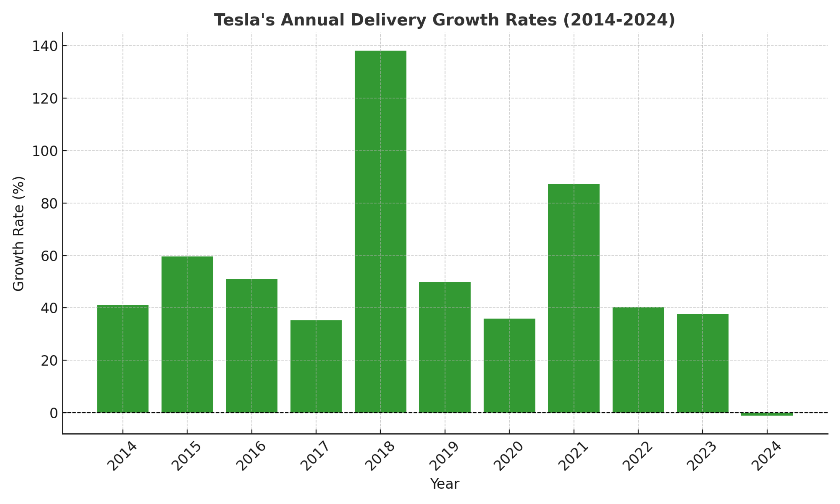
Tesla, the leader in the electric vehicle industry, reported its weakest performance in vehicle deliveries during the first quarter of 2026, with figures falling below Wall Street expectations. The expiration of tax incentives in the United States and heightened global competition have put pressure on its core business.
The company's shares, led by Elon Musk, dropped by more than 4% after losing approximately 15% of their value since the beginning of the year. The numbers also revealed a growing gap between production and demand, with Tesla producing 50,363 more vehicles than were delivered during the quarter, marking the largest discrepancy in four years, indicating a buildup of unsold inventory.
Details of the Event
Investment advisor Sean Campbell reported that the inventory buildup is attributed to the expiration of tax incentives for electric vehicles and the increasing threat of competition. He also noted the need for interest rate cuts to stimulate consumer demand. The rise in gasoline prices in the United States, due to the conflict in Iran, has supported demand for electric vehicles, but this effect may take time to reflect in the numbers.
Tesla, once considered the most valuable company in the automotive industry, lost its title in electric vehicle sales last year to Chinese company BYD, amid pressure from traditional competitors and low-cost Chinese firms. However, Tesla's sales of electric vehicles manufactured in China saw a 23.5% increase in the first quarter compared to the previous year.
Background & Context
Historically, Tesla has been a pioneer in the electric vehicle market, benefiting from government incentives that encouraged consumers to purchase electric cars. However, the expiration of a $7,500 tax incentive in the United States at the end of September last year negatively impacted demand, making consumers more hesitant to make purchasing decisions.
Additionally, the approval of Tesla's full self-driving system in Europe has been delayed, with a Dutch ruling expected this month that could pave the way for expansion and support demand in the European market. These combined factors may continue to affect Tesla's deliveries until it receives European approval.
Impact & Consequences
Analyses indicate that Tesla's deliveries in the first quarter reflect the impact of the expiration of tax incentives in the United States and the delay in the approval of the self-driving system in Europe. These factors are expected to continue influencing Tesla's deliveries through the end of the year.
Despite current challenges, Tesla is still investing in new projects such as solar energy, humanoid robots, and self-driving taxis, indicating that the company is seeking to expand into new areas that may enhance its market value in the future.
Regional Significance
With the growing interest in electric vehicles in the Arab region, the challenges facing Tesla may impact the plans of local and international companies to enter the electric vehicle market. Additionally, rising fuel prices in the region may drive more consumers to consider electric vehicles as a sustainable alternative.
In conclusion, Tesla's future remains contingent on its ability to adapt to market changes and meet consumer needs, especially amid increasing competition and global economic shifts.