The Thai government has announced a three-pronged emergency plan to tackle a potential energy crisis, which includes fuel rationing and regulating the hours of operation for gas stations and commercial centers. This decision comes amid rising tensions in the Middle East and the possibility of closing vital maritime points such as the Strait of Hormuz and Bab el-Mandeb.
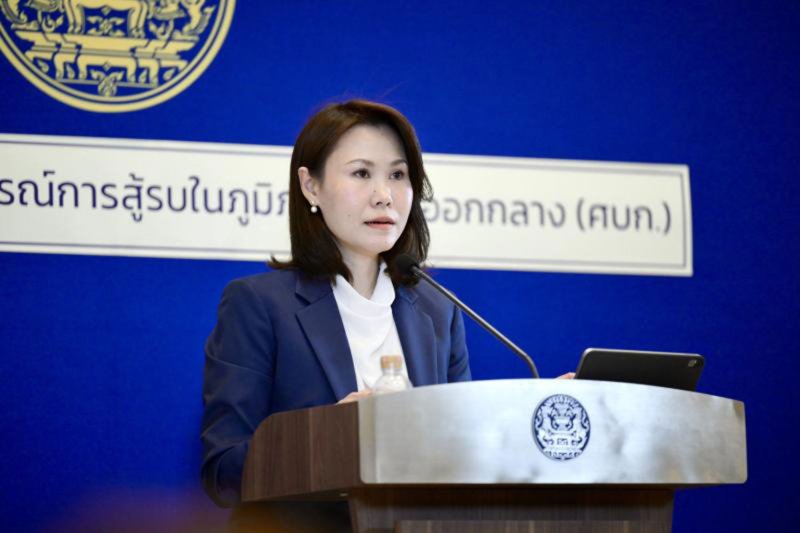
Nota Mahatana, spokesperson for the Middle East Situation Monitoring Center, stated that the planning took into account three main issues: the increasing risks in the Middle East and their impact on energy management in Thailand, examples of how other countries are responding to these risks, and the measures being taken by the Ministry of Commerce.
Event Details
Nota clarified that tensions in the Middle East continue to escalate, although Thailand has successfully negotiated the passage of Thai ships through the Strait of Hormuz. However, there is growing concern that the Bab el-Mandeb Strait, which is also a vital route for oil and commercial shipping, may face disruptions.
The Ministry of Energy has outlined three potential scenarios: the first scenario involves increased risks with limited impact, such as a slowdown in shipping. The second scenario anticipates the closure of the Strait of Hormuz for more than a month, while continuing to import crude oil from the Middle East and adjusting local refineries to meet demand. The third, and most severe scenario, assumes a complete halt to oil imports from the region due to the closure of both straits.
Background & Context
Historically, the Middle East is considered a vital hub for global energy supplies, with approximately 20% of the world's oil passing through it. Any disruptions in this region can significantly affect global oil prices, which in turn impacts the economies of importing countries.
In recent years, the region has witnessed an escalation in armed conflicts, increasing the risks to energy supplies. Many countries have taken proactive steps to protect their populations from the effects of any potential crises. For instance, South Korea has imposed restrictions on the use of government vehicles, while countries like France and the United Kingdom have implemented measures to support low-income households.
Impact & Consequences
If the situation escalates to the third scenario, the Thai government will impose strict restrictions on fuel consumption, prioritizing essential services such as hospitals and emergency services. The measures will also include regulating the hours of operation for gas stations, controls on electricity usage, and adjusting the operating hours of commercial centers to align with available energy supplies.
Reports indicate that global oil prices are experiencing severe fluctuations, making it crucial for the Thai government to take swift and effective action to avoid any potential fuel shortages.
Regional Significance
These developments are particularly significant for the Arab region, as many countries heavily rely on oil supplies from the Middle East. Any disruptions in these supplies could lead to rising oil prices, negatively impacting the economies of Arab nations.
Furthermore, cooperation between Arab countries and Asian nations like Thailand in the energy sector may become increasingly important under these circumstances, paving the way for the development of joint strategies to address future crises.