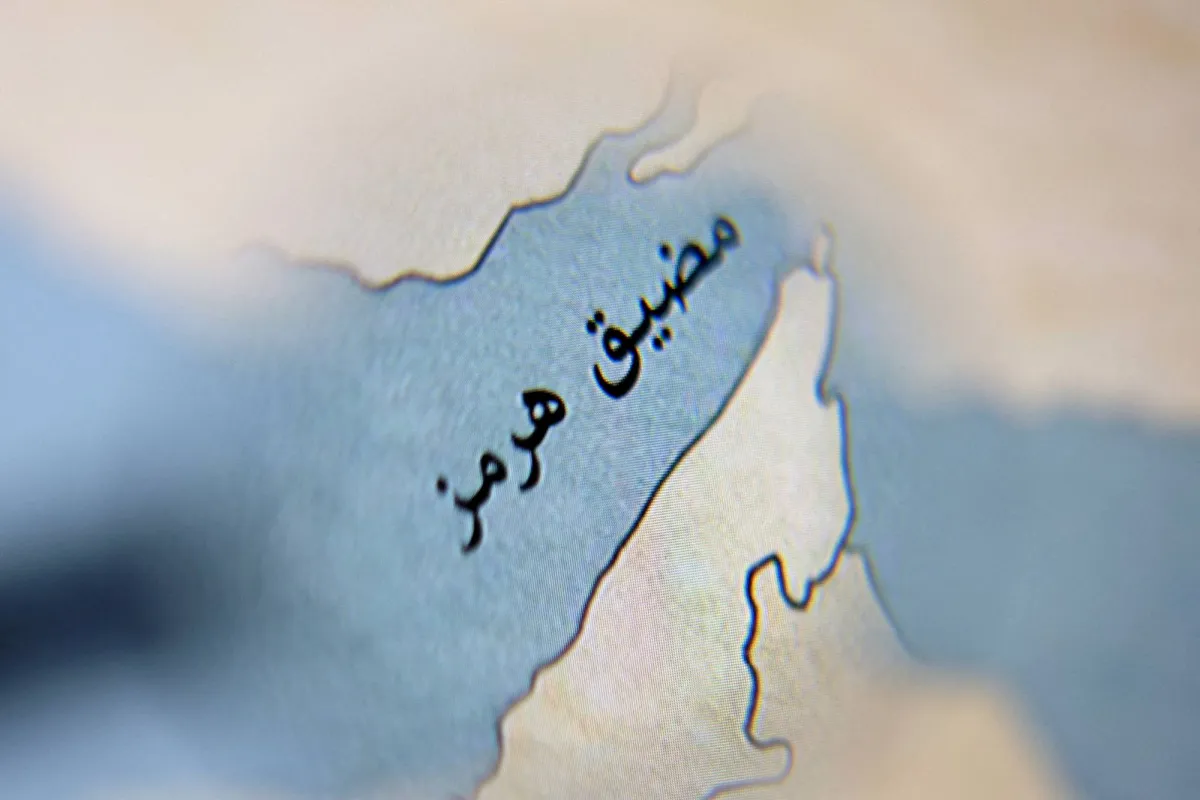
Thai Foreign Minister Sehasak Fuangketkeaw held a press conference today (Wednesday) confirming that three crew members of a Thai-flagged ship lost their lives due to an attack on the vessel in the Hormuz Strait last month. The incident occurred during a sensitive time, as tensions in the region have been escalating.
The minister stated that the Omani Navy rescued 20 crew members after the attack, which resulted in an explosion at the rear of the ship and a fire in the engine room. This incident raises concerns about the safety of navigation in one of the world's most crucial waterways.
Details of the Incident
The attack on the Thai ship comes amid rising tensions in the Hormuz Strait, a vital transit point for oil and natural gas. The vessel was on a commercial voyage when it was attacked, leading to the deaths of three crew members.
In response to the situation, Sehasak Fuangketkeaw announced plans to visit Oman in mid-April to seek assistance in coordinating with Iran to ensure the safe passage of nine Thai ships still stranded in the strait. This step reflects the importance of regional cooperation in addressing security challenges.
Background & Context
The Hormuz Strait is a strategic waterway through which approximately 20% of the world's total oil passes. Historically, the strait has witnessed numerous incidents and attacks, leading to increasing tensions among the involved countries, particularly Iran and the United States. The attack on the Thai ship highlights the risks faced by commercial vessels in this region.
In recent years, the area has seen an escalation in military activities, including naval maneuvers and hostile statements from certain nations. This situation complicates relations between countries and impacts maritime security in the strait.
Impact & Consequences
The attack on the Thai ship could have widespread implications for international trade, as it may increase insurance costs for vessels and affect navigation in the strait. It could also lead to heightened tensions among the involved countries, necessitating urgent diplomatic intervention.
Thailand is seeking to ensure the safety of its commercial ships, which requires cooperation with other countries in the region. This incident may prompt nations to reassess their security strategies in the Hormuz Strait.
Regional Significance
The Arabian Gulf region is a vital hub for trade and oil, and any escalation in tensions could directly affect the Arab economy. The attack on the Thai ship may raise fears of a larger escalation in the region, potentially impacting oil prices and financial markets.
Arab nations need to enhance security and economic cooperation to ensure regional stability. The events in the Hormuz Strait underscore the importance of dialogue and collaboration among countries to guarantee the safety of navigation and trade.