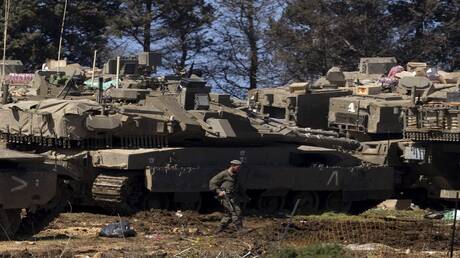
The Israeli army reported today that three of its soldiers were injured due to a drone attack carried out by Hezbollah fighters during a ground operation in southern Lebanon. This attack comes at a sensitive time when the region is witnessing increasing tensions, as clashes between Israeli forces and Hezbollah fighters escalate.
The attack, which took place in southern Lebanon, reflects the rising military activities between the two sides, as Hezbollah seeks to enhance its offensive capabilities against Israeli forces. The Israeli army indicated that the injured soldiers were transported to the hospital for treatment, without disclosing further details about their health condition.
Details of the Attack
The attack executed by Hezbollah is part of a continuous escalation in military operations between the two parties, where drones have been used as an effective means to carry out assaults. Reports have shown that Hezbollah has increased its use of this technology in recent years, indicating a strategic evolution in combat methods.
It is noteworthy that this attack follows a series of border tensions between Lebanon and Israel, where the area has witnessed numerous intermittent clashes. The Israeli forces have shown readiness to confront any potential threats from Hezbollah, further intensifying tensions in the region.
Background & Context
Historically, the Lebanese-Israeli border has experienced ongoing tensions, with Hezbollah being one of the key players in the conflict against Israel. Since the end of the Lebanese War in 2006, Hezbollah has maintained its military presence in southern Lebanon, making it a constant point of tension with Israel.
In recent years, the region has seen an escalation in military activities, as Hezbollah has enhanced its military capabilities by acquiring advanced weapons, including drones. This development reflects changes in the balance of power in the region and raises concerns about the outbreak of a wider conflict.
Impact & Consequences
The recent attack could have significant implications for the security situation in the region. It may lead to greater military escalation between Israel and Hezbollah, threatening the stability of Lebanon and the region as a whole. Additionally, the use of drones reflects a shift in combat methods, which may prompt other parties to reassess their military strategies.
Israel is likely to respond to this attack with additional military operations, further heightening tensions. This escalation could also affect the relationships between major powers in the region, as regional and international forces closely monitor the situation.
Regional Significance
This attack reflects the ongoing tensions in the Arab region, where armed conflicts play a significant role in shaping regional policies. The escalation between Israel and Hezbollah may impact neighboring countries and increase fears of new conflicts erupting.
The situation in Lebanon could be significantly affected, as the country is already suffering from economic and political crises. Any military escalation could exacerbate the humanitarian situation in Lebanon, increasing the suffering of the Lebanese people.
In conclusion, the situation in southern Lebanon remains tense, with attention focused on potential military developments. The continuation of these clashes could lead to serious repercussions for regional security, necessitating international efforts for de-escalation.