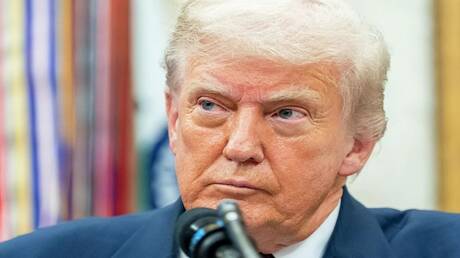
Time magazine's latest cover highlights U.S. President Donald Trump, depicted holding a map of Iran and asking, 'Where's the exit?'. This question underscores his continuous attempts to end the ongoing conflict in the region, which has become a significant challenge for the U.S. administration.
This image embodies the pressures Trump faces in his foreign policy, particularly concerning Iran. The conflict in the region has evolved beyond mere military disputes, now carrying political and economic ramifications that affect the stability of the entire area.
Details of the Event
The magazine cover reflects a state of anxiety and tension that permeates U.S.-Iranian relations. Following a series of military escalations and mutual threats, Trump is seeking a way out of this crisis that threatens regional and international security. The question posed by the magazine reflects a sense of inquiry regarding the U.S. strategy in dealing with Iran, especially after the United States withdrew from the nuclear agreement in 2018.
The image shows Trump in a deep state of thought, raising questions about the options available to him. Will he continue with a policy of maximum pressure, or will he lean towards dialogue and negotiation? These options carry inherent risks and benefits, and they could significantly impact the future of relations between the two countries.
Background & Context
Historically, U.S.-Iranian relations have been tense since the Islamic Revolution in 1979. Since then, the region has witnessed numerous conflicts and disputes in which Iran has been a participant. In recent years, tensions have escalated due to Iran's nuclear program and its support for armed groups in the region, making it a target of U.S. foreign policy.
In this context, Trump's attempts to end the conflict represent an important step, but they face significant challenges. Iran rejects any external pressures and insists on its right to defend its interests. Additionally, other regional and international powers play a role in this equation, complicating the situation further.
Impact & Consequences
The impact of this cover may extend beyond just an image. It reflects American concern over escalating tensions in the region and could influence U.S. public opinion regarding Trump's foreign policy. If the situation continues as it is, it could lead to an undesirable military escalation, threatening regional security.
This image may also stimulate discussions about U.S. foreign policy and raise questions about the effectiveness of current strategies. Will the administration succeed in achieving its goals, or will it find itself in a larger predicament? These questions remain open and reflect a state of uncertainty in international politics.
Regional Significance
For the Arab region, the rising tensions between the United States and Iran could have direct implications. Many Arab countries are concerned about the increasing Iranian influence in the region and believe that any military escalation could destabilize their nations.
These circumstances may also affect relations between Arab countries and the United States, as some nations may find themselves compelled to reassess their alliances. Ultimately, there remains hope that the international community can find peaceful solutions to these crises, away from military escalation.
In conclusion, Time magazine's cover highlights one of the most significant challenges facing the U.S. administration and reflects a state of anxiety and tension in international relations. Under these circumstances, the question of how to deal with Iran remains open and requires deep thinking and effective strategies.