Dubai, the famous emirate in the United Arab Emirates, is facing an unprecedented tourism crisis following the escalation of geopolitical tensions in the region. The decline in tourist numbers began on the first day of the war when the Fairmont Hotel was struck by debris from an Iranian drone, raising significant concerns among visitors and investors.
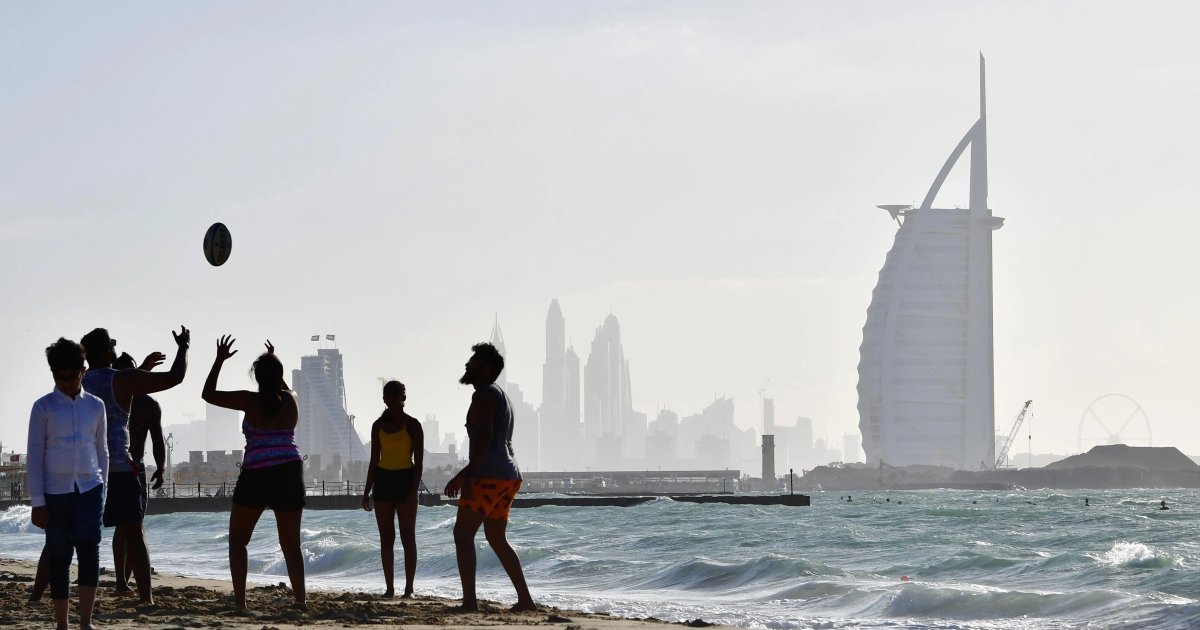
One month after that incident, Dubai's beaches, once bustling with tourists, are now empty, while luxury hotels are under immense pressure, offering substantial discounts to attract visitors. This situation reveals the vulnerability of Dubai's tourism sector, which heavily relies on regional stability.
Details of the Incident
The Palm Jumeirah, one of the most luxurious areas in Dubai, is among the hardest hit by this downturn. Many visitors have noted that the atmosphere has become excessively quiet, negatively affecting their tourism experience. One visitor expressed dissatisfaction with the overwhelming calm, stating, "It's too quiet, and this is not what I expected from Dubai."
It is worth mentioning that Dubai had invested heavily in developing its tourism infrastructure, making it one of the most attractive destinations for tourists worldwide. However, recent geopolitical events have proven that stability in the region is a crucial factor in attracting visitors.
Background & Context
Historically, Dubai has relied on tourism as a primary source of revenue, witnessing significant growth in visitor numbers over the past years. However, political events in the region, such as armed conflicts and tensions between countries, have negatively impacted this sector. Dubai has previously experienced similar effects, with tourism declining during times of political crises.
Tourism in Dubai is an integral part of the UAE economy, contributing significantly to the gross domestic product. With rising tensions, it has become essential for the UAE government to take measures to enhance security and attract tourists once again.
Impact & Consequences
The decline in tourism in Dubai serves as a wake-up call for many other tourist destinations in the region. This downturn could lead to negative effects on the local economy, including job losses and reduced investments. Moreover, tourism is a primary source of revenue in many Arab countries, making geopolitical stability essential for sustaining this sector.
Furthermore, the decline in tourism in Dubai may affect its reputation as a global tourist destination, potentially leading to a further decrease in visitor numbers in the future. Therefore, the UAE government needs to take effective steps to enhance security and improve the visitor experience.
Regional Significance
The situation in Dubai exemplifies how geopolitical tensions affect tourism in the Arab region as a whole. Many countries are suffering from the impacts of armed conflicts and political crises, which affect their ability to attract tourists. It is crucial for Arab nations to collaborate to promote stability in the region, which will help rebuild trust in the tourism sector.
In conclusion, the decline in tourism in Dubai underscores the importance of geopolitical stability in fostering economic growth. Arab countries must take effective steps to address current challenges and promote tourism as a key source of revenue.