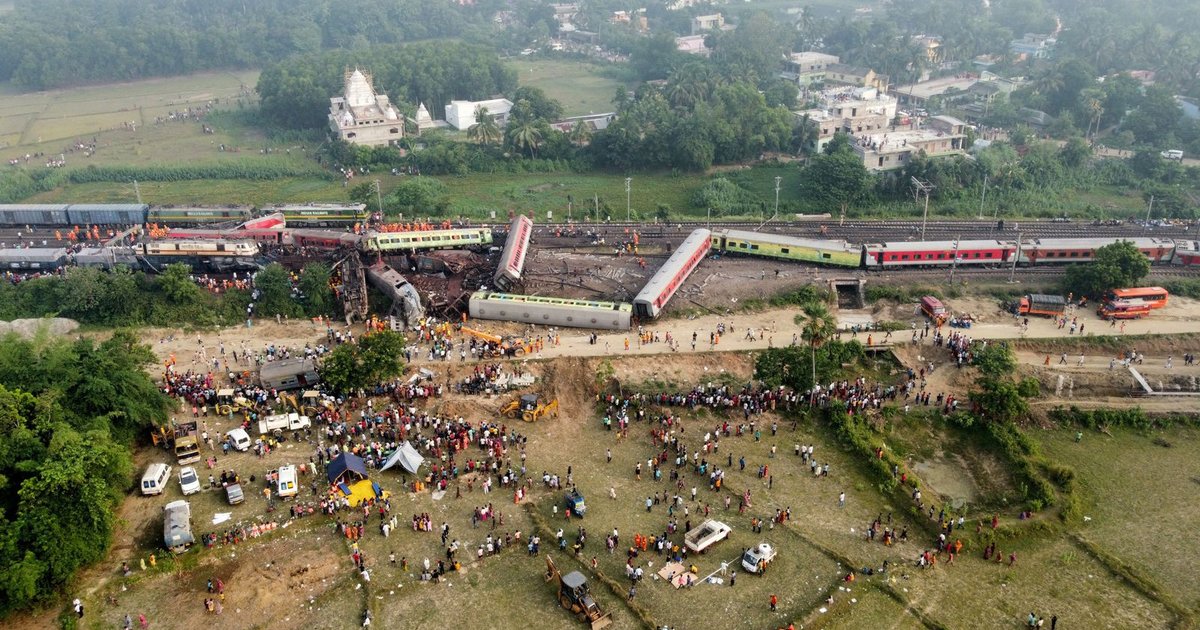
A horrific train accident occurred in Bekasi, Indonesia, on Monday evening, April 27, resulting in the deaths of three people and injuries to 29 others. The incident took place when a KRL train was stationary on the first line heading east towards Cikarang, and a long-distance train approached from the west and collided with it.
According to local sources, the accident happened late at night, complicating rescue efforts due to darkness. Sufmi Dasco, the Deputy Speaker of the Indonesian House of Representatives, who was present at the scene, reported that some victims were trapped inside the train due to limited space.
Details of the Incident
Reports indicate that rescue teams from the Indonesian police and military worked continuously to evacuate victims and provide assistance. Dasco confirmed that the evacuation process was proceeding well, and the situation at the accident site became safer following the efforts of specialized teams.
He also noted that the focus was on ensuring the safety of passengers and train staff, as the injured were transported to nearby hospitals for treatment. The accident caused panic among passengers, as there were a significant number of people on board at the time.
Background & Context
Train accidents are common in Indonesia, where the country faces challenges with transportation infrastructure. Over the years, Indonesia has experienced numerous tragic incidents that have resulted in loss of life and serious injuries. The Indonesian government is working to improve the transportation system, but challenges remain.
Historically, Indonesia has relied heavily on railways as a means of transportation, but the increasing population and traffic have put pressure on the system. Previous accidents have led to calls for improved safety standards and updated equipment.
Impact & Consequences
This tragic incident may raise questions about railway safety in Indonesia, potentially leading to a comprehensive review of current standards. The government is likely to take new measures to enhance safety and reduce future risks.
Additionally, the accident may affect public confidence in public transportation, prompting people to seek safer alternatives. It is crucial to address this issue seriously to ensure passenger safety in the future.
Regional Significance
Although the accident occurred in Indonesia, it highlights the importance of improving transportation systems worldwide, including in Arab countries. Many Arab nations face similar transportation challenges, necessitating investments in infrastructure and enhanced safety standards.
This incident can serve as a lesson for Arab countries on the need to strengthen transportation systems and enforce safety standards rigorously to ensure the safety of citizens and residents.