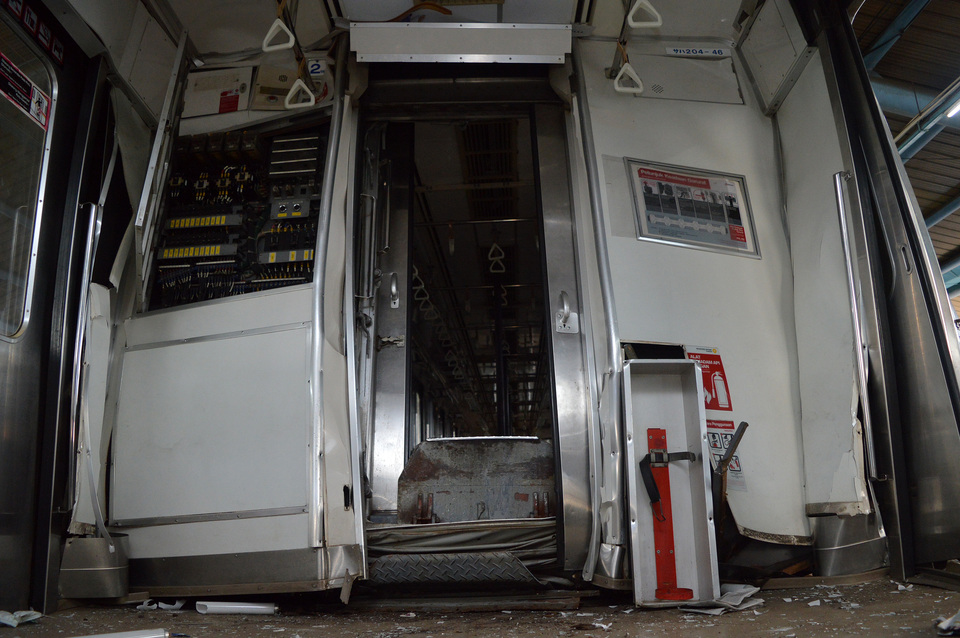
Manggarai Station in Jakarta experienced severe congestion following a collision between a commuter train heading to Bekasi and a long-distance train, resulting in significant delays and forcing passengers to wait for extended periods.
One passenger, Adi, reported waiting for over one and a half hours after visiting a friend in the hospital, while others like Ini sought assistance from friends to return home after the long wait.
Details of the Incident
The accident occurred around 9:30 PM, when the commuter train collided with the long-distance train, leading to the closure of East Bekasi Station. According to statements from officials at Kerta Komuter Indonesia, evacuation operations are still ongoing, and the number of casualties has not yet been determined, with assurances that efforts are being made to address the situation.
By 11 PM, many passengers were waiting outside, hoping to receive information about train departure times, as station staff patiently responded to inquiries from affected passengers.
Background & Context
The train network in Indonesia, particularly in Jakarta, is one of the main transportation means relied upon by millions daily. However, railway-related accidents are not new, as the country has witnessed several incidents in past years that resulted in injuries and damages, some of which are attributed to inadequate maintenance or non-compliance with safety standards.
These incidents highlight the ongoing challenges faced by the railway system, prompting calls for improvements in safety protocols and infrastructure to prevent future occurrences.
Impact & Consequences
Accidents like this significantly affect public transportation, disrupting the lives of many citizens. Delays in train services can create problems for reaching work or educational commitments, increasing pressure on commuters. Such incidents may also impact the reputation of public transport services, leading passengers to seek alternative options.
Moreover, the aftermath of such accidents often leads to discussions about safety measures and the need for stricter regulations to ensure the safety of passengers in the future.
Regional Significance
This incident underscores the critical need for enhanced safety standards in public transportation systems across the region. As urban populations grow, the reliance on efficient and safe transportation becomes increasingly vital for economic and social stability.
In conclusion, the Jakarta train collision serves as a stark reminder of the vulnerabilities within the transportation system and the urgent need for reforms to enhance safety and reliability for all commuters.