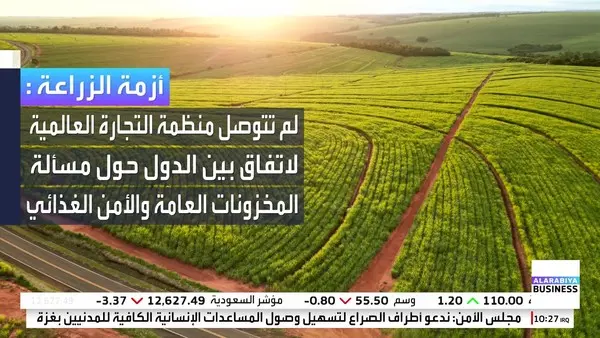
In a bold statement during the opening of the 14th Ministerial Conference of the World Trade Organization (WTO) in Yaoundé, Cameroon, the organization's Director-General, Ngozi Okonjo-Iweala, affirmed that the global multilateral system we once knew has changed irrevocably. She pointed out that countries must look to the future to consider how to reform the global trade system.
Okonjo-Iweala stated, "We will not return to the system we once knew; rather, we must confront new challenges and seek innovative solutions." These remarks come at a time when the world is witnessing radical changes in economic and political balances, necessitating a re-evaluation of the rules governing international trade.
Event Details
The conference was inaugurated with the presence of representatives from various member countries of the WTO, where numerous pressing issues facing the global trade system were discussed. Among these issues were the impact of the COVID-19 pandemic on global supply chains, rising food and energy prices, and geopolitical tensions affecting trade.
Additionally, discussions focused on how to enhance cooperation among member states to tackle common challenges, with Okonjo-Iweala emphasizing the importance of collective action in achieving sustainable development goals.
Background & Context
The WTO was established in 1995 as an international organization aimed at regulating trade among member countries. Since then, the organization has faced numerous challenges, including financial and economic crises and shifts in the trade policies of major nations. As trade disputes escalate among major powers, it has become evident that the global trade system requires fundamental reforms.
In recent years, health and environmental crises have exacerbated conditions, making it essential to rethink how global trade is managed. Recent events have shown that relying on an outdated trade system is no longer sufficient to address contemporary challenges.
Impact & Consequences
Okonjo-Iweala's statements indicate that countries must be prepared to adopt new trade models that align with global changes. These shifts are expected to influence how nations interact with one another and how global markets are organized.
Moreover, these statements may pave the way for increased cooperation between developing and developed countries, potentially contributing to a better balance in the global trade system. However, challenges remain, as nations must work together to overcome obstacles hindering reform.
Regional Significance
For Arab countries, changes in the global trade system may present new opportunities and challenges. With the increasing importance of intra-Arab trade, the proposed reforms could enhance economic cooperation among Arab nations, aiding in achieving sustainable development.
At the same time, Arab countries must be aware of the challenges that may arise from these changes, such as increased competition in global markets and economic pressures. Therefore, it is crucial for Arab nations to adopt effective strategies to adapt to these changes.