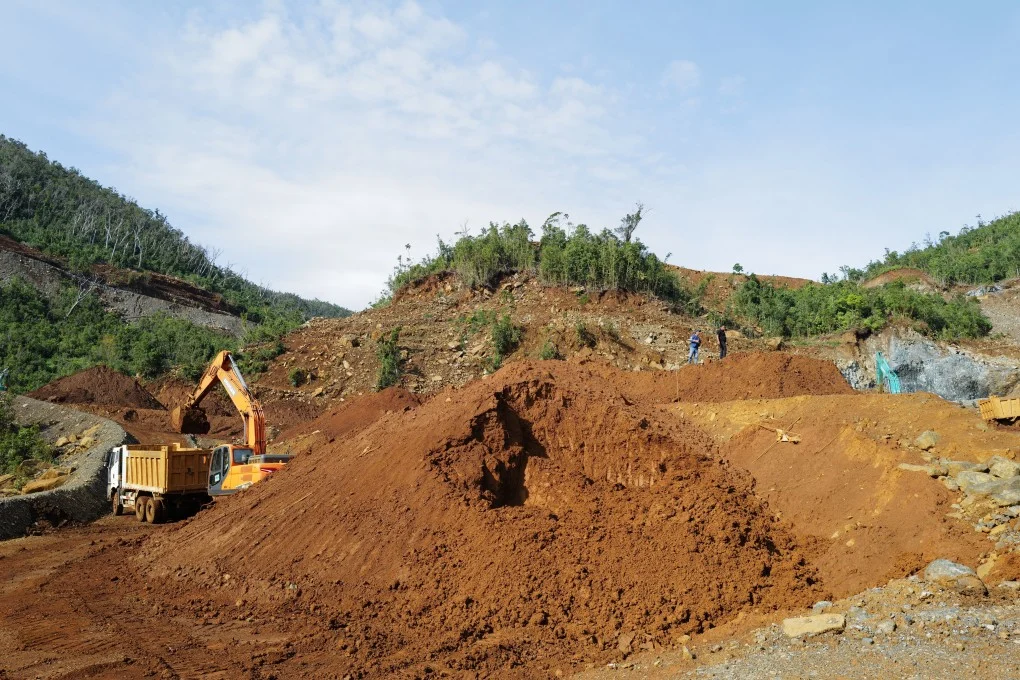
The United States and Japan are working to transform the Philippines into a major hub for critical minerals, a move aimed at reducing dependence on China and strengthening economic partnerships among the three nations. This initiative comes at a time when the demand for essential minerals, which play a vital role in technological industries and renewable energy, is on the rise.
Reports from the Center for a New American Security (CNAS) indicate that cooperation between the United States, Japan, and the Philippines is crucial to harnessing the Philippines' vast potential as a source of critical minerals. However, analysts have cautioned that a lack of genuine commitment from the Philippine government to implement comprehensive reforms and combat corruption could obstruct the achievement of these objectives.
Details of the Initiative
Critical minerals encompass a range of essential elements such as lithium, cobalt, and copper, which are used in the manufacturing of batteries and electronic devices. With the global demand for these minerals increasing, the United States and Japan are seeking to bolster their sources away from China, which dominates a significant portion of the critical minerals market.
The American-Japanese plan includes providing technical and financial support to the Philippines, which could aid in developing its mining infrastructure and enhancing its production capabilities. However, as experts have pointed out, the Philippines needs to improve its business environment to attract foreign investments.
Background & Context
Historically, the Philippines has been rich in mineral resources, but corruption and mismanagement have hindered the effective exploitation of these riches. Although there are laws governing the mining sector, their implementation is often weak, leading to a decline in investor confidence.
In recent years, the Philippines has seen some improvements in its business environment, yet much work remains to be done. A genuine commitment from the Philippine government is required to ensure transparency and combat corruption, which is a prerequisite for attracting foreign investments.
Impact & Consequences
If the Philippines succeeds in achieving its goals, it could radically alter the landscape of the global critical minerals market. The country would be able to reduce its dependence on other nations and emerge as a key player in this vital sector.
Furthermore, the success of the Philippines in this area could lead to improvements in the local economy and the creation of new job opportunities, thereby enhancing the country's stability. However, failure to implement the necessary reforms could exacerbate economic and social conditions.
Regional Significance
This initiative is not just significant for the Philippines; it represents a strategic step for the United States and Japan to enhance their economic security. By diversifying their sources of critical minerals, they can reduce vulnerabilities associated with over-reliance on China.
In conclusion, the collaboration between the United States, Japan, and the Philippines in developing critical minerals is a promising venture that could yield substantial benefits, provided that the Philippine government commits to necessary reforms and transparency.