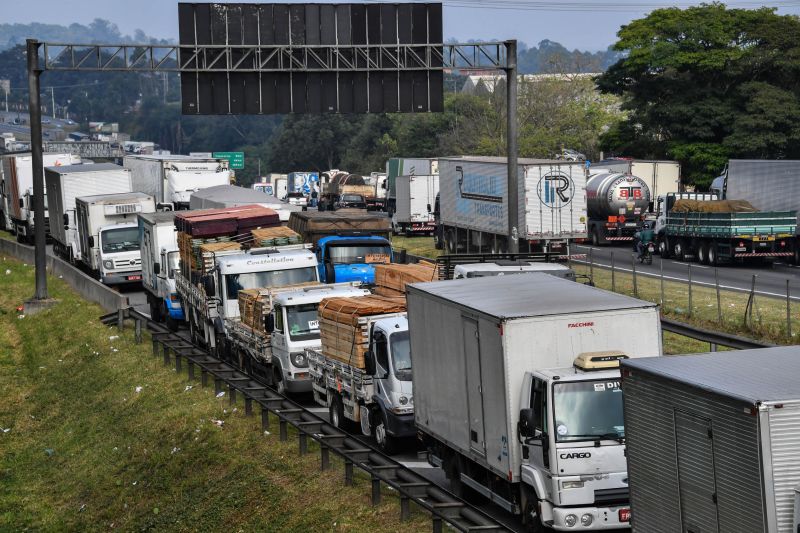
Diesel prices in many European countries are experiencing unprecedented increases, placing the transport sector in a severe economic crisis. Several professional organizations representing truck drivers have announced protests starting on Saturday, March 28, in response to the government's inadequate measures to address this rise. These protests come at a time when the sector is already suffering from the repercussions of the current energy crisis.
Truck drivers are increasingly concerned that the ongoing rise in fuel prices will exacerbate their economic conditions, as many rely on diesel as the primary source for operating their vehicles. Professional unions have expressed their dissatisfaction with the measures announced by the government, deeming them insufficient to tackle the current challenges.
Details of the Protests
The unions aim to express their discontent with the current situation by organizing protests across the country. March 28 has been set as the date to commence these protests, which are expected to continue throughout the following week. Reports indicate that these actions could significantly affect transport and shipping activities, potentially leading to shortages of supplies in some areas.
At the same time, the government continues to work on plans to assist the sector, but these plans appear to have not gained widespread acceptance among drivers. Some have pointed out that the proposed solutions do not align with the magnitude of the crisis they are facing.
Background & Context
The roots of the current diesel price crisis can be traced to several factors, including the sharp rise in global oil prices due to geopolitical crises and the repercussions of the COVID-19 pandemic. These factors have led to increased operational costs for the transport sector, which is considered one of the essential pillars of the economy.
Historically, the road transport sector in Europe has faced numerous crises, but the current energy crisis is deemed one of the most impactful. Previous crises have led to similar protests, but it seems that the current situation requires a more effective response from governments.
Impact & Consequences
The planned protests are expected to have negative effects on transport and shipping activities, which could lead to shortages of some essential goods. Additionally, the continued rise in diesel prices may increase transportation costs, reflecting on the prices of goods in the markets.
This crisis serves as a wake-up call for governments to provide effective and swift solutions, as any delay could exacerbate economic conditions and increase the suffering of drivers and business owners in this sector.
Regional Significance
The diesel price crisis in Europe is directly relevant to the Arab region, as many Arab countries rely on importing oil and diesel. Therefore, any increase in prices in global markets could affect transportation costs in Arab countries, potentially leading to price hikes in local markets.
Moreover, protests in Europe may inspire some groups in Arab countries to demand improvements in their economic conditions, especially given the difficult economic circumstances faced by many nations in the region.
In conclusion, the diesel price crisis in Europe is an issue that requires urgent attention from governments, as its repercussions may extend to other regions, including Arab countries, necessitating international coordination to address these challenges.