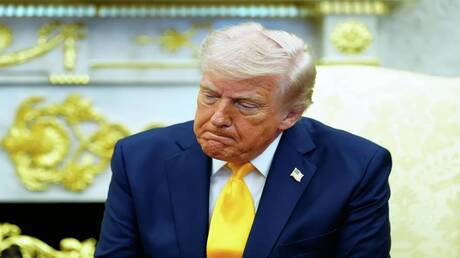
U.S. President Donald Trump acknowledged that he 'got carried away' with tariff policies against China, revealing that he personally intervened to reduce tariffs to 100% after they reached what he described as 'insane' levels. These statements come at a sensitive time as economic pressures on the United States increase due to the repercussions of the trade war with Beijing.
During his remarks, Trump indicated that the escalation of tariffs was part of a broader strategy to confront what he viewed as unfair trade practices by China. However, he admitted that this policy may have crossed the line, negatively impacting the U.S. economy.
Details of the Event
Trump's remarks were part of a series of comments he made regarding trade relations with China, where he noted that the tariffs imposed were intended to protect American industries, but ultimately led to increased prices for consumers. He emphasized that personal intervention was necessary to mitigate the economic damage resulting from this policy.
He also clarified that the current situation requires a reassessment of trade strategies, pointing out the urgent need to reach a comprehensive trade agreement with China that serves the interests of both parties. He highlighted that trade tensions could affect economic growth in the United States, necessitating prompt action.
Background & Context
The roots of the trade war between the United States and China date back to 2018, when the Trump administration imposed tariffs on a wide range of Chinese goods, leading to reciprocal reactions from Beijing. Since then, trade relations between the two countries have experienced increasing tensions, as the United States has sought to reduce its trade deficit with China.
Despite reaching a partial agreement in 2020, many core issues remain unresolved, including intellectual property rights and labor practices. These issues continue to be a major focus in negotiations between the two countries, as each side seeks to gain economic advantages at the expense of the other.
Impact & Consequences
The implications of Trump's admission regarding his tariff escalation could be far-reaching, potentially influencing future economic policies in the United States. This acknowledgment may lead to a reassessment of trade strategies, opening the door for new negotiations with China.
The impact of these policies extends to global markets, where trade tensions could result in fluctuations in commodity prices and financial markets. At the same time, these developments may affect American companies that rely on imported goods from China, increasing pressure on the U.S. economy.
Regional Significance
In light of these developments, the Arab region may be indirectly affected. The trade tensions between the United States and China could lead to changes in trade and investment flows in the region. Additionally, any downturn in the U.S. economy could impact Arab markets, especially those reliant on exports to the United States.
Furthermore, Arab countries may seek to strengthen their trade relations with China as an alternative if tensions with the United States persist. This could open new avenues for economic cooperation between Arab nations and Beijing, enhancing China's role as an economic power in the region.
In conclusion, the repercussions of Trump's statements regarding his tariff policy against China remain a topic worth monitoring, as they may influence global trade policies and reshape economic relations between major countries.