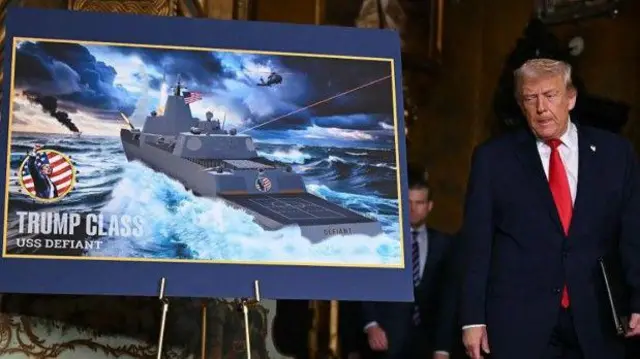
During a special event at the White House, President Donald Trump asserted that spending on the military must represent a national priority moving forward. He stressed the necessity of a historic increase in the defense budget, raising questions about how this will impact other sectors of government.
Trump's remarks come at a sensitive time, as the United States faces multiple challenges both domestically and internationally. He indicated that strengthening military power is vital for ensuring national security, reflecting his administration's focus on enhancing military capabilities in the face of global threats.
Details of the Event
During the event, Trump discussed the importance of investing in the military, noting that this would contribute to bolstering American national security. He explained that the budget increase would aid in modernizing military equipment and providing adequate training for armed forces. He also mentioned that this increase would enhance the United States' ability to confront rising challenges from countries like China and Russia.
In this context, Trump confirmed that this increase in military spending would come at the expense of some other sectors, raising concerns about the impact on social programs and public services. Some lawmakers expressed worry that this move could lead to cuts in budgets allocated for healthcare, education, and other vital areas.
Context and Background
Historically, the United States has considered the defense budget a top priority, representing a significant portion of government spending. However, the debate over how to allocate financial resources has become more intense in recent years, especially with increasing economic and social pressures. The country has seen rising calls to reassess spending priorities, particularly in light of economic crises affecting many citizens.
Trump's statements come at a time of escalating geopolitical tensions, as the United States seeks to enhance its military presence in various regions around the world. These tensions have influenced American defense policy, prompting the current administration to take steps to strengthen military capabilities.
Implications and Effects
An increase in the defense budget could lead to significant changes in both domestic and foreign policy for the United States. Domestically, this move may result in cuts to budgets allocated for social sectors, potentially negatively impacting citizens' lives. It may also provoke strong reactions from lawmakers representing areas that rely on these programs.
On the international front, bolstering the military budget could heighten tensions with other countries, particularly those viewed as adversaries by the United States. This could lead to a new arms race, increasing instability in already tense regions.
Impact on the Arab Region
In the Arab context, an increase in American military spending may affect relations between the United States and Arab countries. As tensions in the region rise, some Arab nations may seek to enhance their military capabilities in collaboration with the United States. This could lead to changes in regional alliances and increased tensions between countries.
Moreover, an increase in the military budget may impact American aid provided to Arab countries, potentially altering the dynamics of relations between the United States and these nations. Under these circumstances, there may be an urgent need to reassess American policies in the region.
In conclusion, Trump's call for an increase in the defense budget reflects his administration's inclination towards strengthening military power, raising questions about the impact on other sectors and U.S. foreign policy. As challenges mount, the question remains on how to balance security with social welfare.