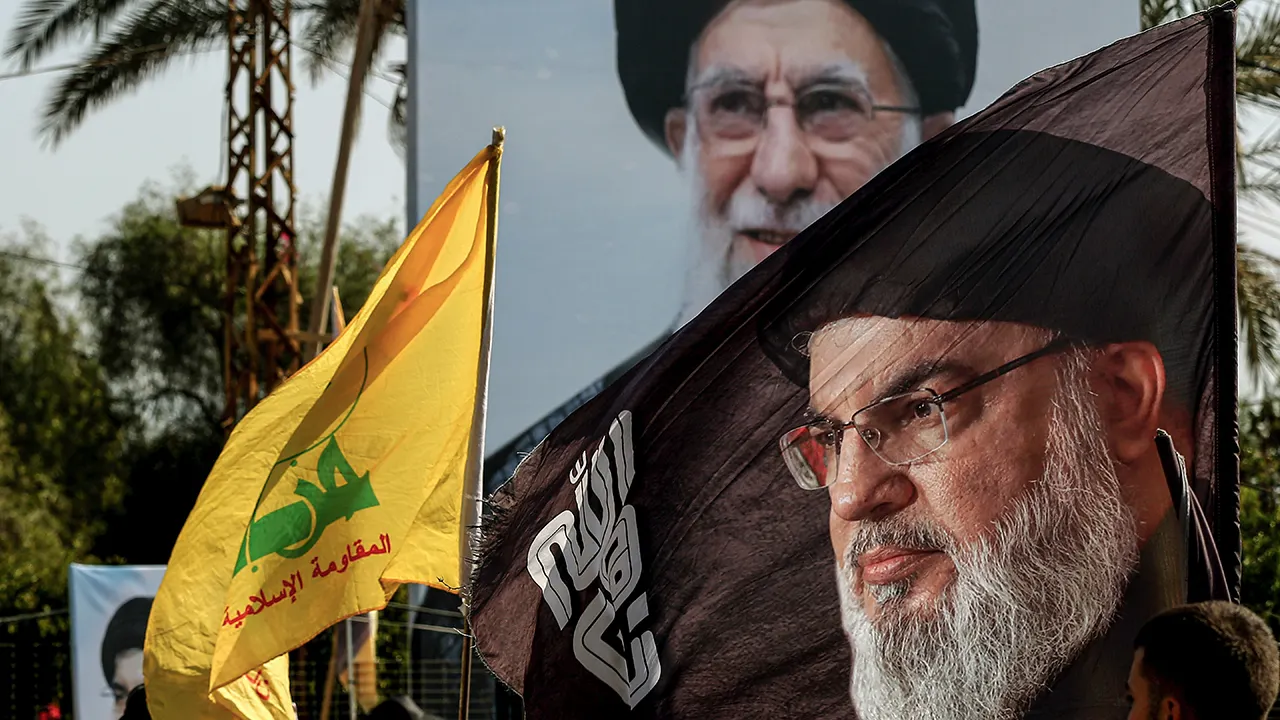
U.S. President Donald Trump confirmed in a statement on Wednesday that the ceasefire agreement reached between the United States and Iran does not extend to Israeli military operations in Lebanon. This statement was made during a call with journalist Liz Landers from PBS, where Trump clarified that Lebanon is "not included in the agreement" due to the presence of Hezbollah.
Trump's remarks come at a sensitive time, as tensions in the region have escalated, particularly with the ongoing Israeli military operations in Lebanon. This statement raises questions about the future of U.S.-Iranian relations and its impact on the security situation in Lebanon.
Details of the Statement
In his comments, Trump explained that Hezbollah, which is considered a terrorist organization by the West, poses an obstacle to any comprehensive agreement that could achieve stability in the region. He noted that Israeli military operations aim to counter the threats posed by the group, complicating any diplomatic efforts.
This statement reflects the current U.S. policy towards Iran, as Washington seeks to diminish Tehran's influence in the region, especially amid the ongoing tensions between Israel and Hezbollah. Trump did not hesitate to reaffirm U.S. support for Israel in its confrontation with Hezbollah, further complicating the situation in Lebanon.
Background & Context
Historically, Lebanon has experienced ongoing conflicts due to external interventions, with Hezbollah playing a prominent role in regional disputes. The party was established in the 1980s in response to the Israeli occupation and has since become a significant political and military force in Lebanon.
In recent years, tensions between the United States and Iran have intensified, especially following Washington's withdrawal from the Iranian nuclear deal. This withdrawal has heightened the conflict in the region, as Iran seeks to bolster its influence by supporting groups like Hezbollah, raising concerns for the United States and its allies.
Impact & Consequences
Trump's statements may lead to an escalation of tensions in Lebanon, potentially encouraging Israeli military operations against Hezbollah. Additionally, this U.S. stance could strengthen Hezbollah's position domestically, possibly increasing popular support for the group in the face of external threats.
Moreover, the exclusion of Lebanon from the agreement may reflect a setback in international efforts to achieve peace in the region, increasing the likelihood of continued conflict. This situation could also affect relations between the United States and Arab countries, which are striving for stability in the region.
Regional Significance
Trump's remarks underscore Lebanon's importance as a nexus in regional conflicts, where events there can influence the stability of neighboring countries like Syria and Palestine. The continuation of tensions may also lead to economic and social repercussions for Arab nations, which are already grappling with multiple crises.
In conclusion, the situation in Lebanon remains complex, with overlapping regional and international interests. Trump's statements reflect the challenges facing the region in the absence of comprehensive diplomatic solutions.