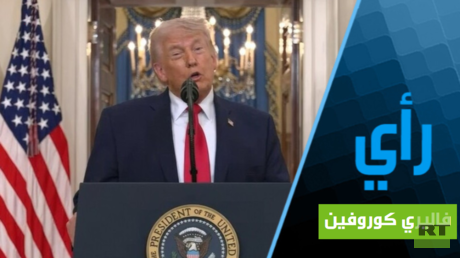
U.S. President Donald Trump announced that Washington is seriously considering the option of withdrawing from the North Atlantic Treaty Organization (NATO) following the alliance's refusal to engage in military confrontation with Iran. These statements come at a sensitive time marked by increasing tensions in the Middle East, raising questions about the future of traditional military alliances.
This move represents a significant shift in U.S. foreign policy, as NATO has long been a cornerstone of American military strategy since its establishment in 1949. However, Trump, who has previously criticized the alliance, appears to be putting new options on the table, which could impact regional and international stability.
Details of the Event
In remarks made by Trump, he indicated that NATO's unwillingness to engage in military conflict with Iran has prompted him to reconsider the United States' commitment to the alliance. These statements come at a time when tensions between the United States and Iran are escalating, particularly following a series of attacks targeting American interests in the region.
Trump, who seeks to reduce the American military presence abroad, may find this option supported by some voter bases that wish to end prolonged wars. However, withdrawing from NATO could raise concerns among European allies and lead to a reevaluation of the balance of power globally.
Background & Context
NATO was established in the aftermath of World War II as a means to ensure collective security among member states. Since then, NATO has played a pivotal role in numerous military conflicts, including the wars in the Balkans and Afghanistan. However, criticisms directed at the alliance, especially from Trump, reflect growing doubts about NATO's effectiveness in addressing modern challenges.
In recent years, relations between the United States and its European allies have seen increasing tensions, as Trump has criticized European nations for not spending enough on defense. These criticisms could lead to the disintegration of traditional alliances and alter the geopolitical dynamics in the region.
Impact & Consequences
If the withdrawal option is implemented, it could destabilize the global security system. U.S. allies in Europe may be concerned that withdrawal signifies Washington's abandonment of its security responsibilities, potentially prompting them to bolster their military capabilities independently.
Moreover, this withdrawal could encourage countries like Russia to expand their influence in areas previously under NATO protection, increasing tensions in Eastern Europe and the Black Sea. These new dynamics could lead to a renewed arms race in the region.
Regional Significance
For the Arab region, a potential withdrawal from NATO could mean significant changes in security strategies. Arab countries that rely on American military support may find themselves in a difficult position, prompting them to seek new alliances or enhance their military capabilities.
Additionally, the rising tensions between the United States and Iran could exacerbate conditions in the Middle East, where any direct military confrontations could impact regional security and lead to severe humanitarian and economic repercussions.
In conclusion, the option of withdrawing from NATO opens the door to radical changes in the global security system, necessitating Arab countries to reevaluate their security strategies and regional cooperation.