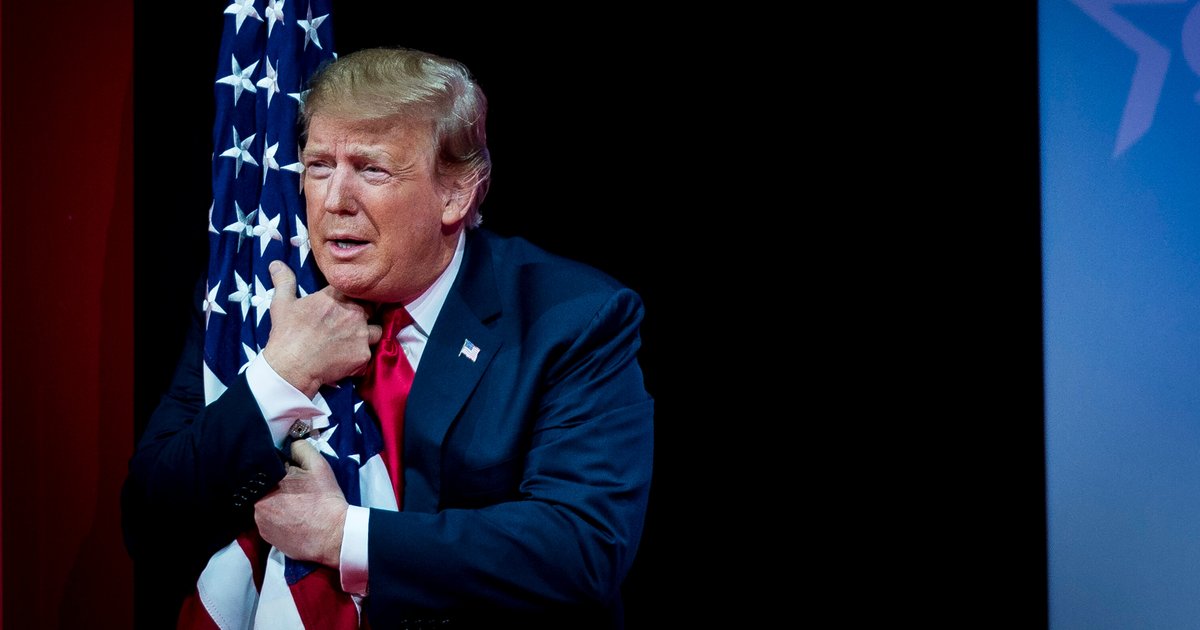
Amid rising tensions in the Middle East, American analysts have disclosed that President Donald Trump and his administration are striving to depict their foreign policy as characterized by pragmatism and discipline. Since the launch of his latest election campaign and throughout the first year of his second presidential term, Trump has promoted the concept of 'flexible realism' as a means to defend his approach, which has faced widespread criticism for being reckless and ill-considered.
The concept of 'flexible realism' is an intellectual tradition used to justify foreign policies that are flexible in dealing with international challenges, yet it simultaneously raises questions about the commitment of the American administration to traditional principles in foreign policy.
Details of the Situation
In recent years, the United States under Trump's administration has taken varied stances on numerous international issues, particularly regarding Iran. Trump withdrew from the Iranian nuclear agreement in 2018, leading to increased tensions between the two countries. While Trump promotes the idea of 'flexible realism', critics argue that this policy lacks the ethical foundations that were once considered part of traditional American foreign policy.
What raises concern is that these policies may exacerbate crises rather than resolve them, as withdrawing from international agreements could enhance instability in the region.
Context and Background
Historically, American foreign policy has relied on a set of principles that include supporting democracy and human rights. However, the Trump administration has taken steps that contradict these principles, sparking widespread debate about the future of American foreign policy. While Trump seeks to portray himself as a strong leader, many analysts believe that this approach could harm U.S. interests in the long term.
The shifts in American foreign policy also reflect changes in global dynamics, as challenges from new powers such as China and Russia increase, necessitating a reevaluation of U.S. strategies.
Consequences and Impact
Trump's policies are affecting American relations with traditional allies, as many European leaders express concern over the instability of American policy. Furthermore, these policies could exacerbate crises in the Middle East, where tensions between Iran and Arab states are escalating.
Moreover, Trump's pragmatic approach may open the door for other powers to enhance their influence in the region, threatening American interests and complicating security situations.
Impact on the Arab Region
For the Arab region, Trump's policy towards Iran could lead to heightened tensions between Arab states and Iran, increasing the likelihood of conflict. Additionally, the instability resulting from these policies may negatively affect peace efforts in the region and complicate humanitarian situations in conflict-affected countries.
In conclusion, it appears that the Trump administration is facing significant challenges in its foreign policy, requiring a reevaluation of its strategies to ensure stability in the region and protect American interests.