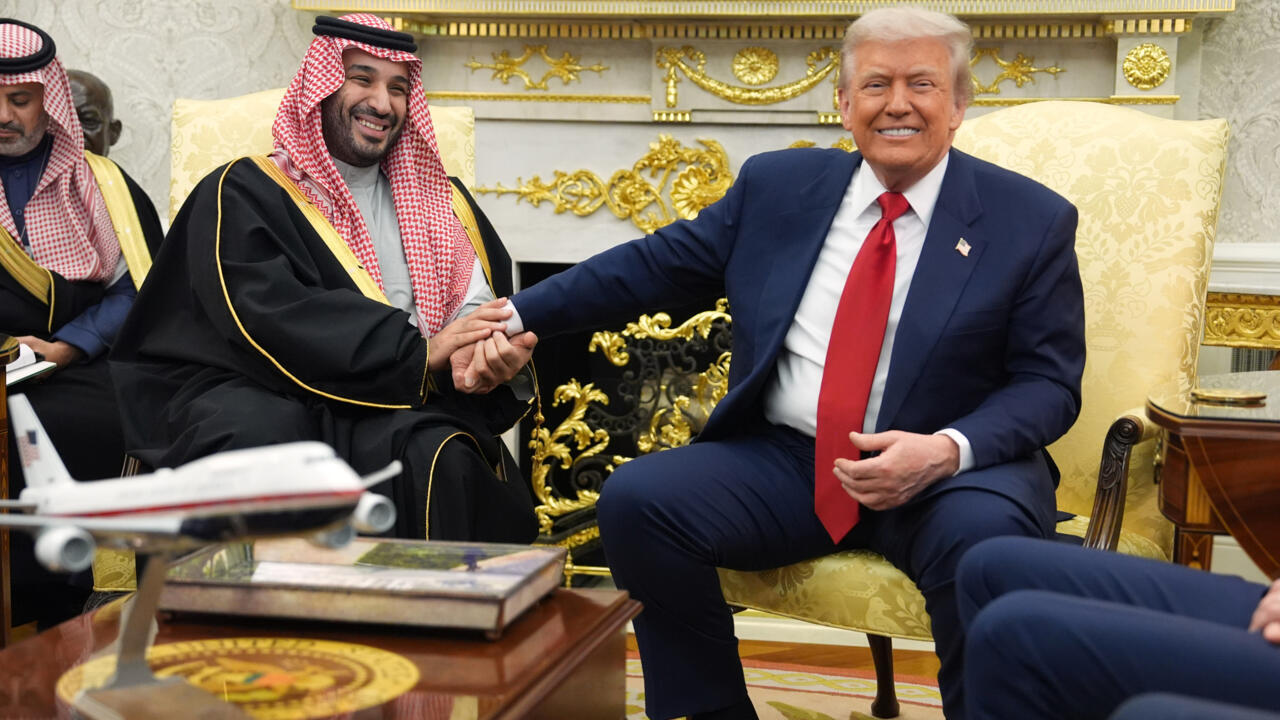
In a speech delivered recently in Miami, U.S. President Donald Trump directed sharp criticisms at Saudi Crown Prince Mohammed bin Salman, urging him to be 'nicer.' These remarks come at a sensitive time for U.S.-Saudi relations, which have experienced significant fluctuations in recent years.
Trump's criticisms pertain to several issues, most notably Saudi Arabia's stance on normalizing relations with Israel, as the Kingdom has so far refused to engage in any normalization agreements similar to those made by some Arab countries. Additionally, the Kingdom's decision to refrain from involvement in the conflict with Iran reflects a cautious policy aimed at avoiding further escalation in the region.
Details of the Event
During his speech, Trump indicated that the relationship between the United States and Saudi Arabia should be based on mutual respect, yet he did not hesitate to express his dissatisfaction with certain Saudi positions. Many observers have considered these statements to reflect an increasing tension in the relationship between the two countries, especially after Saudi Arabia had been a key ally of the United States in the region.
This criticism comes at a time when the Trump administration is seeking to bolster its position in the Middle East, which requires Saudi support on several issues, including combating terrorism and enhancing stability in Iraq and Syria.
Background & Context
Historically, U.S.-Saudi relations have been based on strategic cooperation, particularly in the fields of oil and security. However, these relations have faced significant challenges, especially following the murder of journalist Jamal Khashoggi in 2018, which sparked widespread criticism of the Saudi Crown Prince.
Moreover, regional tensions, including the conflict in Yemen and the Iranian nuclear program, have complicated relations between Riyadh and Washington. In this context, it appears that Saudi Arabia is striving to achieve a balance in its international relations, which may conflict with U.S. interests.
Impact & Consequences
Trump's statements could significantly affect bilateral relations between the United States and Saudi Arabia. With increasing internal and external pressures, Riyadh may find itself compelled to reassess its strategy in dealing with Washington.
Furthermore, these criticisms could lead to heightened tensions in the region, especially if Saudi Arabia continues to refuse to engage in normalizing relations with Israel, which could negatively impact peace efforts in the Middle East.
Regional Significance
U.S.-Saudi relations are pivotal for regional stability. Any tension in these relations could lead to widespread repercussions, including the escalation of conflicts in Yemen and Syria, as well as impacting oil prices and financial markets.
Additionally, Saudi Arabia's stance on normalizing relations with Israel could influence the positions of other Arab countries, potentially opening the door to further divisions in the Arab world.
In conclusion, U.S.-Saudi relations remain under scrutiny, as the current situation requires delicate diplomacy from both sides to avoid further tensions.