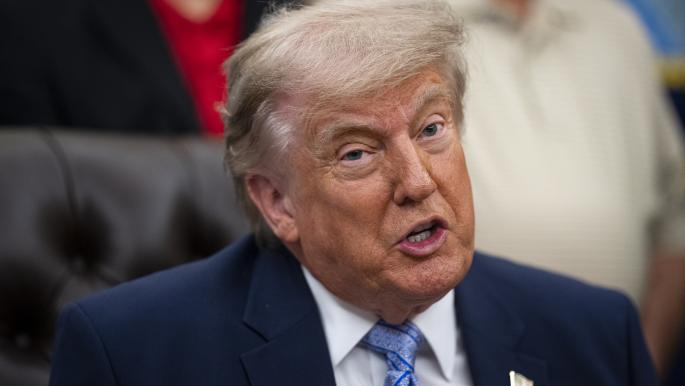
U.S. President Donald Trump announced the postponement of an executive order that would have granted the government greater oversight powers over the artificial intelligence sector. The decision, made on Thursday, reflects the complex challenges the U.S. administration faces in dealing with rapid developments in this field.
Artificial intelligence is one of the most prominent modern technologies, sparking widespread debate regarding its social and economic impacts. As the use of this technology expands across various sectors, it has become essential to establish a regulatory framework that ensures its safe and responsible use.
Details of the Event
The executive order was expected to include a series of measures aimed at enhancing government oversight of the development and use of artificial intelligence technologies. However, no specific details about the content of the order or the reasons for its postponement have been disclosed.
This move comes at a time when discussions are intensifying about how to regulate artificial intelligence, especially with the emergence of numerous applications that could impact privacy and security. Some government and private entities have expressed concern over the lack of a clear legal framework governing this area.
Background & Context
Historically, the United States has witnessed significant advancements in the field of artificial intelligence, with major companies investing in the development of new technologies. However, the absence of appropriate legislation could lead to substantial risks, such as unethical uses of this technology.
In recent years, many issues related to bias in artificial intelligence algorithms have been raised, prompting some lawmakers to call for the establishment of clear rules governing this field. Trump's postponement of the executive order may also reflect the political and economic pressures facing his administration.
Impact & Consequences
The delay of the executive order could affect the trajectory of artificial intelligence development in the United States, potentially leading to continued regulatory chaos in this sector. Companies operating in this field may find themselves in an unstable position, impacting their future investments and innovations.
Moreover, the lack of government oversight could open the door to negative uses of artificial intelligence, which may have adverse consequences for society, such as privacy violations or the spread of misinformation.
Regional Significance
As many Arab countries move towards enhancing the use of artificial intelligence across various fields, Trump's postponement of the executive order may have indirect effects on these nations. The absence of a clear regulatory framework in the U.S. could delay the adoption of this technology in the region.
Furthermore, discussions surrounding the regulation of artificial intelligence may inspire Arab countries to develop their own policies that ensure the safe and responsible use of this technology, contributing to innovation and economic growth.