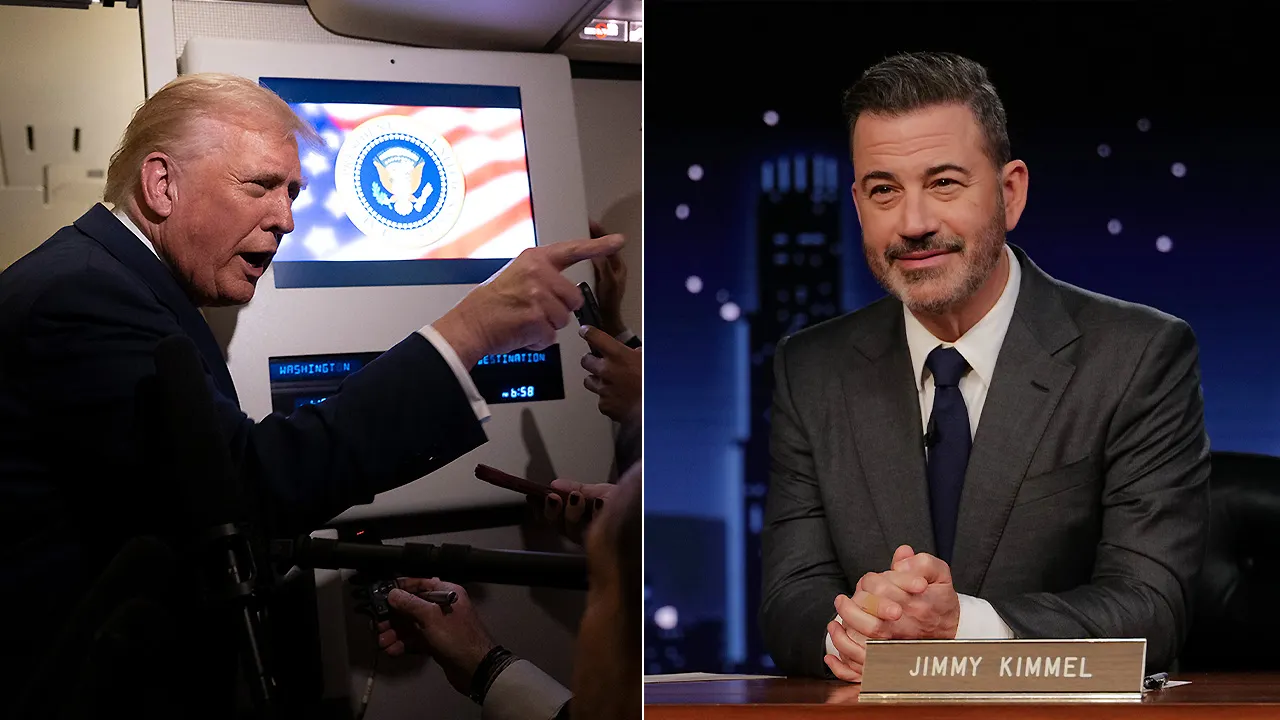
U.S. President Donald Trump demanded on Monday that ABC fire host Jimmy Kimmel over a joke that Trump deemed a 'disgraceful call to violence'. This request has sparked widespread controversy in media and political circles, especially following the tragic shooting incident that occurred during the White House Correspondents' Dinner, where gunfire erupted.
Trump, who attended the event with his wife Melania, expressed his displeasure with Kimmel's comments, which he considered inappropriate given the current circumstances. This statement came just two days after the incident that resulted in injuries to several individuals, heightening tensions across the nation.
Details of the Incident
While the dinner brought together numerous journalists and politicians, an unexpected shooting occurred, causing panic among attendees. The suspect in the incident was apprehended and charged with attempted murder. In this context, Trump argued that Kimmel's remarks could incite further violence, prompting his call for Kimmel's dismissal.
Kimmel, one of the most prominent comedy hosts in the United States, quickly responded to Trump's statements, asserting that his joke was intended to satirize the political situation, not to incite violence. However, reactions to his comments were mixed, with some considering them to cross the line.
Background & Context
This incident occurs at a sensitive time for the United States, which is experiencing increasing political tensions. Since Trump's presidency began, the nation has seen a sharp division in opinions on various issues, including freedom of expression and political violence. Recent events have raised concerns about the escalation of violence within American society.
Historically, political comedy shows in the United States have served as a platform for heated discussions, addressing sensitive issues with a satirical approach. However, recent events may raise questions about the boundaries between humor and incitement.
Impact & Consequences
Trump's calls for Kimmel's firing could have negative implications for freedom of expression in American media. As pressure mounts on journalists and hosts, some may hesitate to tackle sensitive topics for fear of violent backlash. This could impact the media landscape overall, potentially narrowing the scope of public discussions.
Furthermore, this incident may contribute to deepening political divisions in the country, as some may perceive Trump as attempting to suppress dissenting voices. This could exacerbate tensions between his supporters and opponents, increasing political polarization.
Regional Significance
As the Arab region observes events in the United States, this incident may raise questions about freedom of expression in the Arab world. Many Arab countries suffer from media repression, and this incident could serve as a reminder of the importance of protecting the rights of journalists and media professionals.
Moreover, developments in the United States may affect relations between Arab nations and the U.S., as these events reflect the challenges facing democracy worldwide.
In conclusion, this incident remains a prime example of the political and media tensions in the United States, highlighting the importance of open dialogue and mutual respect in public discussions.