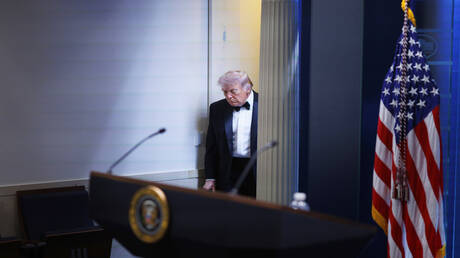
U.S. President Donald Trump plans to hold a meeting with senior national security officials to discuss available options regarding the next phase of the war. This move comes at a critical time that requires precise strategic decision-making.
According to informed sources, the meeting will bring together a group of military experts and diplomats, as Trump seeks to assess the current situation and determine the next steps to be taken. This meeting is part of the ongoing efforts of the Trump administration to steer U.S. foreign policy in line with current challenges.
Details of the Meeting
Pressure is mounting on the U.S. administration amid escalating conflicts in multiple regions around the world. This meeting is considered part of a broader strategy aimed at enhancing U.S. national security and prioritizing foreign policy. The meeting is expected to address various issues, including conflicts in the Middle East, as well as tensions with countries like China and Russia.
Observers note that Trump aims through this meeting to reassess current military strategies, especially in light of increasing criticism regarding the management of wars and conflicts. The focus is expected to be on available military and diplomatic options, including the possibility of bolstering U.S. forces in conflict zones.
Background & Context
Historically, the United States has faced numerous challenges in managing wars and foreign conflicts. Since the events of September 11, the U.S. has pursued a policy of military intervention in several countries, complicating security and political situations in those areas. However, the Trump administration is facing internal and external pressures to change these policies.
In recent years, calls to end long-standing wars have increased, prompting the administration to consider new options. The upcoming meeting reflects these pressures and indicates Trump's desire to take concrete steps towards changing the current approach.
Impact & Consequences
If new decisions are made during the meeting, they could significantly affect U.S. foreign policy. Changes in military strategy could reshape international alliances and alter dynamics in conflict areas.
Moreover, any escalation in military operations could provoke reactions from the countries involved, further complicating the situation. At the same time, a shift towards diplomacy could open new avenues for cooperation with other nations, potentially contributing to stability in crisis-affected areas.
Regional Significance
The Arab region is among the most affected by U.S. policies, having witnessed numerous armed conflicts and military interventions. Any changes in U.S. strategy could directly impact the situations in countries like Iraq, Syria, and Libya.
If the U.S. administration opts to enhance its military presence, it could lead to escalated conflicts and increased tensions. Conversely, if the focus shifts towards diplomatic solutions, it may contribute to achieving some stability in the region.
In conclusion, the anticipated meeting between Trump and his security team represents a crucial step in determining the course of U.S. foreign policy. Amid increasing challenges, the question remains: Will the administration succeed in balancing military power with diplomacy?