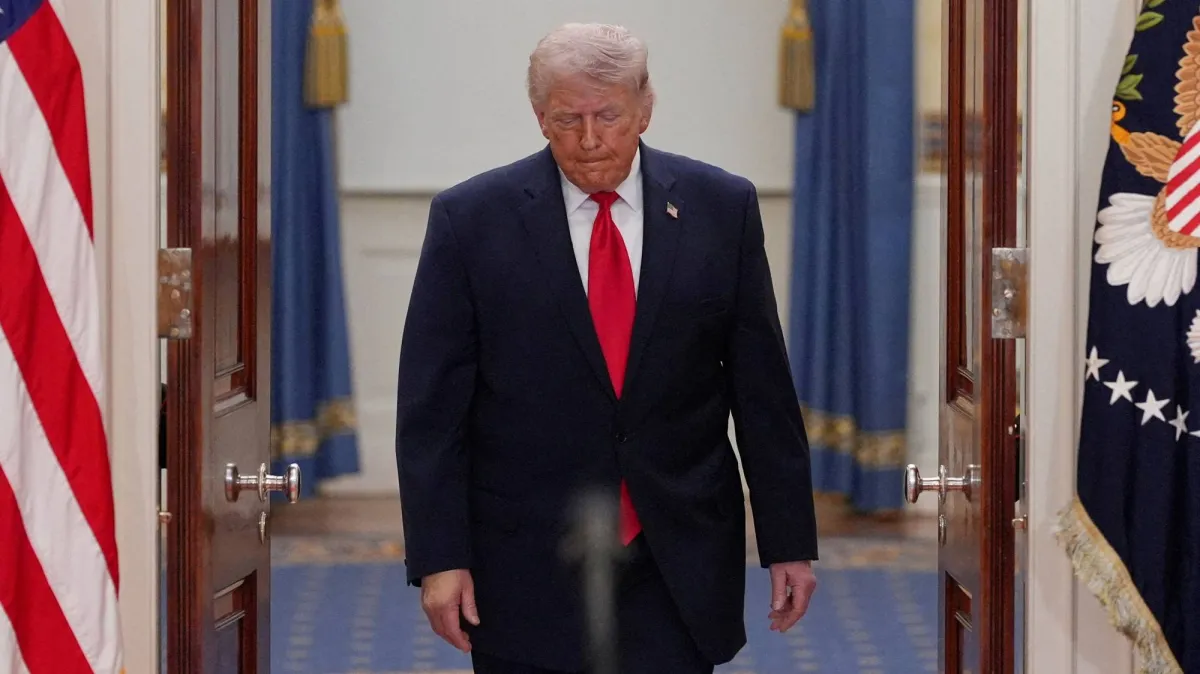
U.S. President Donald Trump is preparing to make a critical decision regarding the escalating crisis with Iran, as an important legal deadline approaches that requires him to end the current state of neither war nor peace. This pressure comes at a time when the "Epic Fury" operation launched by Trump against Iran on February 28 has not achieved the desired results.
Diplomatic efforts, including Pakistani mediation, continue without any tangible breakthroughs, increasing the pressure on Trump as the sixty-day period specified in the War Powers Act of 1973 draws near. This law, enacted during the Vietnam War, aims to limit the president's powers to declare war and enhance the role of Congress.
Details of the Situation
Since the onset of military operations against Iran, Trump's priorities have shifted as he seeks to impose strict conditions regarding Iran's nuclear program, including halting uranium enrichment and delivering enriched quantities to the United States. He is also aiming to regulate the ballistic missile program, specifically targeting Iranian militias such as Hezbollah in Lebanon.
In response, the Iranian regime has utilized the Strait of Hormuz as a leverage point, threatening to close it, which could lead to a global crisis. This has resulted in rising oil prices and increased inflation, threatening the global economy. Meanwhile, the United States is imposing a blockade on Iranian ports, which could suffocate the Iranian economy.
Background & Context
Historically, the War Powers Act presents a challenge for U.S. presidents, requiring them to obtain authorization from Congress before deploying troops abroad, except in cases of self-defense. If the president does not secure this authorization within sixty days, Congress can demand the cessation of military operations.
Since returning to the White House, Trump has managed to impose his will on the Republican majority in Congress, marginalizing Congress's role in war issues. However, he now faces legal challenges regarding the legitimacy of continuing military operations against Iran.
Impact & Consequences
As the sixty-day deadline approaches, pressure is mounting on Trump to make a decision. He has three options: seek authorization from Congress, reduce U.S. intervention, or grant himself an extension. However, any extension would not allow him to continue offensive operations.
If he cannot secure Congressional support, he will be forced to begin withdrawing U.S. forces from hostile operations. This situation reflects uncertainty in U.S. foreign policy towards Iran and may impact American relations with its allies in the region.
Regional Significance
These developments significantly affect security and stability in the Middle East. The escalating tensions between the United States and Iran could lead to military escalation, threatening the safety of neighboring countries, especially those facing threats from Iranian militias.
At the same time, Arab nations are closely monitoring the situation, as any escalation could impact their economic and security stability. The ongoing state of neither war nor peace may create an unstable environment affecting all parties involved.