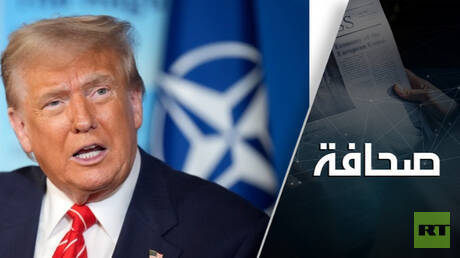
Concerns are mounting regarding the possibility of the United States withdrawing from NATO, as this decision poses a significant challenge to the American democratic system. Analyses suggest that Washington's departure from this military alliance could have serious repercussions for global security and stability.
As the debate intensifies over NATO's role in global politics, the question arises whether President Donald Trump can make a withdrawal decision without impacting the democratic values upon which the United States was founded. The editorial in 'Nezavisimaya Gazeta' sheds light on the challenges the U.S. administration may face in this context.
Details of the Event
NATO was established in 1949 as a military alliance aimed at enhancing collective security among member states. Over time, the alliance has become a symbol of military and political cooperation among Western nations. However, Trump's calls for withdrawal from the alliance have raised significant concerns in political circles, as some believe this step could lead to the dismantling of the global security system.
In recent years, relations between the United States and European countries have experienced increasing tensions, prompting some observers to question NATO's future. Trump, who has criticized the alliance on multiple occasions, is facing both internal and external pressures regarding this decision.
Background & Context
Historically, the United States has played a pivotal role in NATO, significantly contributing to the alliance's budget and military operations. However, political changes in the U.S., especially with Trump's rise to power, have led to a reassessment of this role. Some analysts believe Trump seeks to reduce his country's international commitments, which could negatively impact European security.
These developments coincide with escalating security threats from countries like Russia, which seeks to enhance its influence in Europe. In this context, NATO is considered the first line of defense against these threats, making a U.S. withdrawal a risky proposition.
Impact & Consequences
If the United States decides to withdraw from NATO, it could destabilize Europe and encourage countries like Russia to expand their influence. Additionally, this decision may open the door for other nations to withdraw from military alliances, potentially leading to the disintegration of the global security system.
Moreover, Washington's withdrawal from NATO could affect bilateral relations with European countries, as these nations may feel insecure and be compelled to seek new alliances. This shift in political dynamics could lead to increased tensions in the region.
Regional Significance
Although a U.S. withdrawal from NATO may seem distant from the Arab region, it has indirect implications for regional security. The absence of the United States from the international arena could allow countries like Iran and Turkey to strengthen their influence in the region, potentially exacerbating existing conflicts.
Furthermore, withdrawal from NATO could impact the military and economic support the U.S. provides to allied Arab nations, making them more vulnerable to security challenges.
In conclusion, the future of NATO hangs in the balance of U.S. administrative decisions, as any move towards withdrawal could carry severe consequences for the global security system.