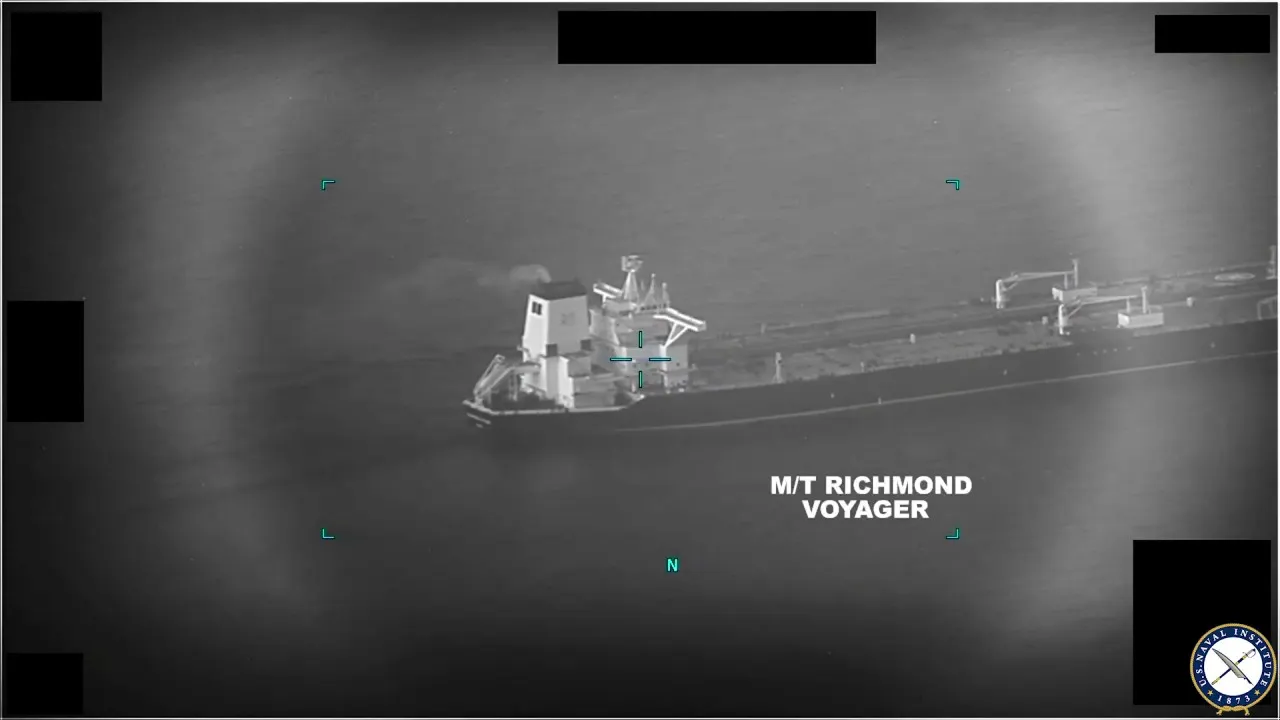
Former U.S. President Donald Trump has announced the directive for the U.S. Navy to intercept any ship that pays fees to Iran, reflecting a new escalation in tensions between the United States and Iran. This statement comes at a time when the region is experiencing increasing tensions, as the U.S. administration seeks to apply more pressure on Tehran.
Trump, who had taken a hardline stance against Iran during his presidency, emphasized that this move aims to protect American interests and prevent Iran from acquiring any financial resources that could be used to support its military activities. He also noted that these measures are a response to the growing threats posed by the Iranian regime.
Details of the Announcement
In his remarks, Trump clarified that naval forces will monitor ships in international waters, and any vessel found to have paid fees to Iran will be subject to interception. This step comes at a critical time, as concerns have increased regarding Iran's activities in the region, including its support for armed groups in Iraq and Syria.
Trump also indicated that this new policy aims to enhance maritime security in the region, particularly in the Strait of Hormuz, which is a strategic point for oil transportation. Some countries have expressed caution regarding these measures, fearing an escalation of confrontations in the area.
Background & Context
Historically, U.S.-Iranian relations have seen increasing tensions since the U.S. withdrawal from the nuclear agreement in 2018. Since then, Washington has imposed strict economic sanctions on Tehran, significantly impacting the Iranian economy. In response, Iran has escalated its nuclear activities and increased its support for armed groups in the region.
Trump's statements come at a time when fears are rising regarding Iran's activities in the region, as Tehran seeks to bolster its influence in Iraq, Syria, and Lebanon. These dynamics reflect the significant challenges facing U.S. foreign policy in the Middle East.
Impact & Consequences
This move is expected to escalate tensions in the region, as Iran may respond to these actions by increasing its military activities. Additionally, this policy could affect shipping traffic in the Strait of Hormuz, potentially leading to higher oil prices in global markets.
Furthermore, these measures could deepen divisions among major powers, as some countries may adopt pro-Iranian stances, complicating the political landscape in the region.
Regional Significance
These developments are of great importance to Arab countries, especially those that rely on oil exports through the Strait of Hormuz. Any escalation in tensions could impact market stability and increase security risks in the region.
Moreover, these policies may lead to increased divisions among Arab states, as positions toward Iran and the United States may vary, further complicating regional relations.
In light of these developments, the question remains regarding how these policies will affect security and stability in the region, especially as tensions between the U.S. and Iran continue.