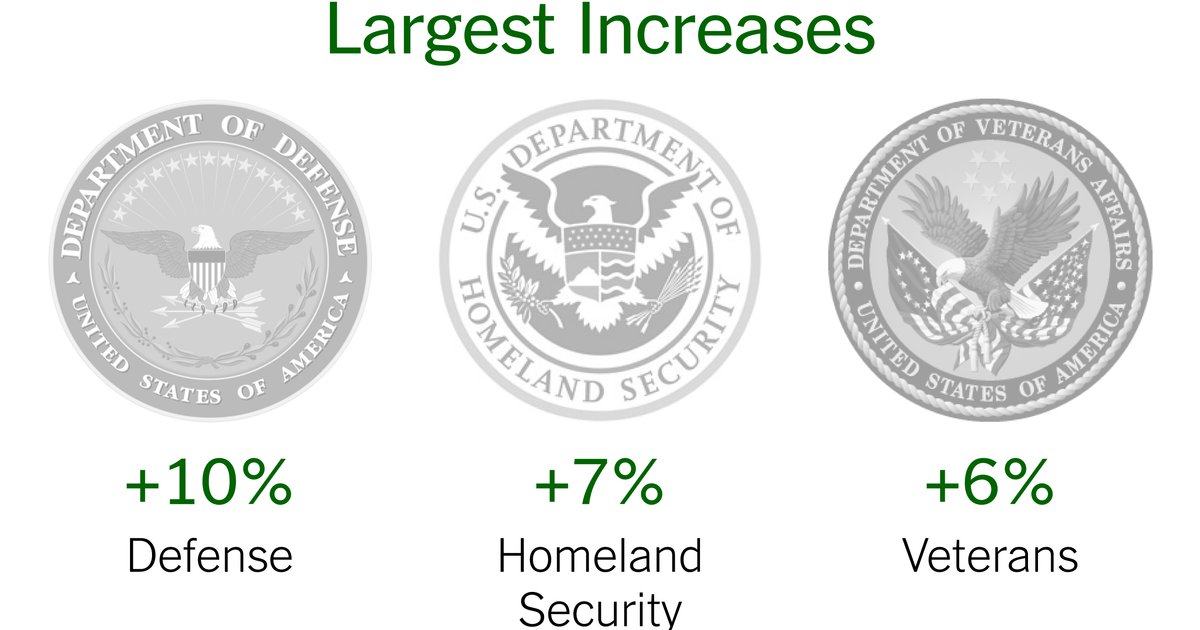
U.S. President Donald Trump is set to announce today, Friday, a record defense budget request of $1.5 trillion for the upcoming fiscal year, marking the largest annual increase in military spending since the end of World War II. This move reflects a shift towards expanding U.S. military capabilities, with missile defense, naval, and air power programs at the forefront of the administration's priorities.
The budget request is expected to include funding for the missile defense system known as the "Iron Dome", with an estimated cost of around $185 billion. The request will also cover the purchase of F-35 fighter jets and warships from Lockheed Martin, in addition to Virginia-class submarines manufactured by General Dynamics and Huntington Ingalls Industries.
Details of the Announcement
The "Iron Dome" is a prominent yet controversial project, as doubts arise regarding its high cost and technical ability to provide comprehensive protection against advanced missiles. These plans also raise concerns that they could ignite an arms race with major powers like China and Russia, potentially increasing pressure on the U.S. budget.
Last year, Trump requested a national defense budget of $892.6 billion, later adding supplemental funding of about $150 billion, which raised total defense spending to over $1 trillion for the first time in history.
Background & Context
The budget framework for the fiscal year ending on September 30, 2027, is set to be unveiled today, with additional details on defense allocations to be announced on April 21, according to a U.S. Department of Defense official. Earlier this year, the administration considered splitting the $1.5 trillion request into a core national security budget of $900 billion, with an additional request ranging from $400 to $600 billion, similar to what occurred in 2026.
The administration plans to use these funds to increase weapons production aimed at deterring China in the Indo-Pacific region, as well as to rebuild weapon stockpiles depleted due to conflicts in Israel, Iran, and Ukraine.
Impact & Consequences
The budget request is expected to undergo prolonged discussions within Congress over the coming weeks and months. However, the budget plan is not limited to the military dimension, as U.S. reports indicate that the administration intends to present it as a key political message ahead of the midterm elections in November by highlighting the enhancement of defense capabilities alongside cuts in spending for some civilian agencies and programs, including healthcare programs.
The U.S. administration views directing additional resources to the Department of Defense as part of its vision for governance during Trump's second term. However, Trump may face opposition from within his party due to plans to cut spending on health and science programs, measures that Congress previously rejected last year with bipartisan support.
Regional Significance
Estimates suggest that the proposed budget for 2027 will provide the first comprehensive vision of the administration's economic and financial agenda during the second term, including projections for deficits and public debt over the next ten years, currently estimated at around $16 trillion. Trump had pledged during his previous campaign to achieve a balanced budget within five years, but he ended his first term by adding about $7.8 trillion to the national debt, placing his current financial plans under scrutiny from investors and decision-makers.
Concerns are rising in the Arab region regarding the impact of these military plans on regional stability, especially amid existing tensions in areas like the Middle East.