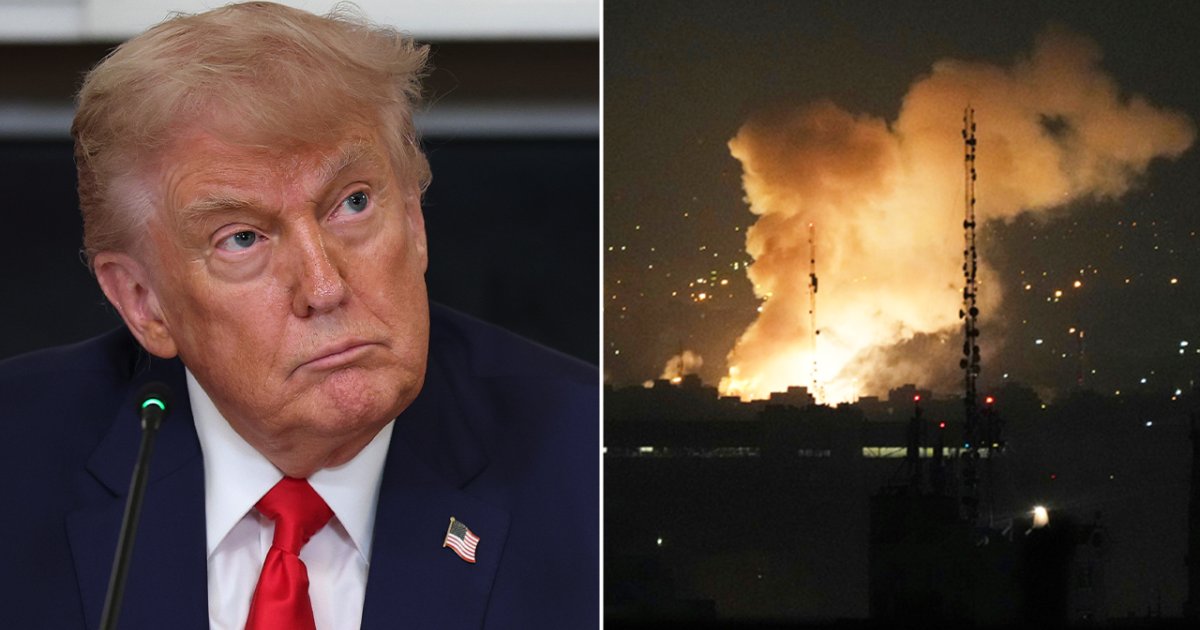
Former U.S. President Donald Trump revealed a list containing 3,554 military targets for the U.S. military in Iran, reflecting rising tensions between Washington and Tehran. These statements were made in the context of Trump discussing his military strategies during his presidency, emphasizing the importance of maintaining U.S. military strength in the face of external threats.
Trump's remarks come at a time when U.S.-Iran relations are increasingly strained, particularly following the U.S. withdrawal from the Iranian nuclear deal in 2018. This withdrawal led to the re-imposition of stringent economic sanctions on Iran, exacerbating tensions between the two countries.
Details of the Announcement
During his address, Trump indicated that the military targets include strategic locations in Iran, raising concerns about the possibility of potential military operations. These statements have elicited mixed reactions among observers, with some viewing them as indicative of an aggressive policy towards Iran, while others see them as mere political rhetoric aimed at bolstering Trump's electoral base.
On the other hand, the U.S. Department of Defense (the Pentagon) confirmed that it has multiple plans to address any potential threats from Iran, but did not confirm the specifics of the targets mentioned by Trump. This ambiguity adds to the prevailing anxiety regarding the future of relations between the two nations.
Background & Context
Historically, U.S.-Iran relations have experienced numerous fluctuations, beginning with the Iranian Revolution in 1979, which led to the severing of diplomatic ties between the two countries. Since then, the United States has pursued a policy of pressure on Iran, particularly concerning its nuclear program and its support for armed groups in the region.
In recent years, tensions have notably increased, especially following attacks on oil facilities in Saudi Arabia, which Iran was accused of orchestrating. Additionally, the escalation of Iranian military activities in the region, including its support for militias in Iraq and Syria, has heightened American concerns.
Impact & Consequences
Trump's statements raise questions about the potential for military escalation in the region, as any military operations could have serious repercussions for regional and international security. Furthermore, these statements may affect potential peace talks between Iran and Western nations, complicating the situation further.
Moreover, these remarks could lead to increased tensions between Iran and its allies in the region, potentially contributing to the escalation of existing conflicts. Should any military operations be carried out, it could drag the region into a broader conflict, threatening the stability of Gulf Arab states.
Regional Significance
Trump's statements are a significant source of concern for Arab countries, especially those sharing borders with Iran or affected by its interventions in internal affairs. Additionally, any military escalation could impact oil prices and financial markets, negatively affecting the economies of Arab nations.
At the same time, some Arab countries may seek to strengthen their alliances with the United States to counter potential Iranian threats, which could lead to a reshaping of alliances in the region.
In conclusion, Trump's remarks regarding military targets in Iran serve as a reminder of the complexities of international relations in the region and underscore the need for effective diplomacy to avoid any military escalation that could have dire consequences.