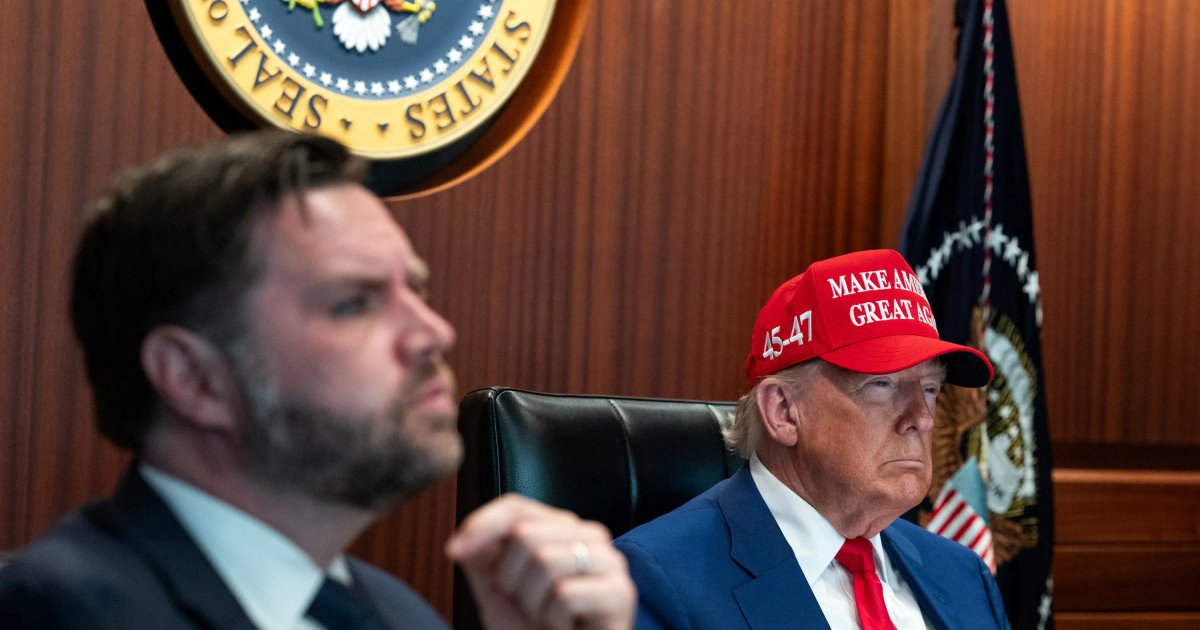
Former U.S. President Donald Trump revealed that the U.S. military has a list of 3,554 military targets in Iran, highlighting the increasing tensions between the United States and Iran. These statements come at a time when fears of potential military escalation in the region are rising, especially following a series of events that have strained relations between the two countries over the past years.
Trump's remarks were made during a television interview, where he indicated that these targets include military and strategic facilities, reflecting a potential military strategy that the United States may adopt if the situation worsens. This statement serves as a confirmation of the continued hostile policy towards Iran, which was a focal point of U.S. foreign policy during Trump's presidency.
Details of the Announcement
The disclosure of these targets is part of a larger strategy aimed at pressuring Iran, which the United States accuses of supporting terrorism and developing a nuclear program that threatens regional and international security. Trump noted that these targets have been carefully identified, and the U.S. military is prepared to take action if necessary.
Additionally, Trump stated that this list represents part of ongoing U.S. efforts to deter Iranian activities in the region, which include supporting armed militias in Iraq and Syria, as well as interventions in Lebanon and Yemen. This announcement comes at a time of increasing tensions in the region, particularly with the ongoing conflict in Syria and the deteriorating situation in Iraq.
Background & Context
Tensions between the United States and Iran date back several decades, with a notable deterioration in relations following the Iranian Revolution in 1979. Since then, the United States has imposed strict economic sanctions on Iran, significantly impacting the Iranian economy and exacerbating humanitarian conditions in the country.
In recent years, tensions have escalated further following the U.S. withdrawal from the Iranian nuclear deal in 2018, leading to heightened military activities and hostile rhetoric between the two sides. Trump's recent statements serve as a reminder that military options remain on the table, increasing anxiety in the region.
Impact & Consequences
Trump's remarks raise questions about whether the United States will take actual military steps against Iran, which could lead to an escalation of conflict in the region. Any potential military action could provoke a violent response from Iran, potentially dragging the region into a large-scale conflict.
Moreover, these statements may affect U.S. relations with its allies in the region, who may be concerned about a possible escalation. Additionally, any military escalation could impact oil prices and global financial markets, increasing economic uncertainty.
Regional Significance
Arab countries neighboring Iran, such as Iraq and Saudi Arabia, are among those most affected by any potential military escalation. A conflict between the United States and Iran could have significant security and economic repercussions for these nations, which are already grappling with internal conflicts and regional tensions.
Furthermore, U.S. statements could bolster the position of Iran-backed armed groups in the region, intensifying existing conflicts. Therefore, the situation requires an urgent diplomatic solution to prevent further deterioration in the region.
In conclusion, U.S. statements regarding military targets in Iran serve as a reminder that tensions in the region remain high, and military solutions could lead to dire consequences. It is essential for the involved parties to adopt a policy of dialogue and diplomacy to avoid escalation.