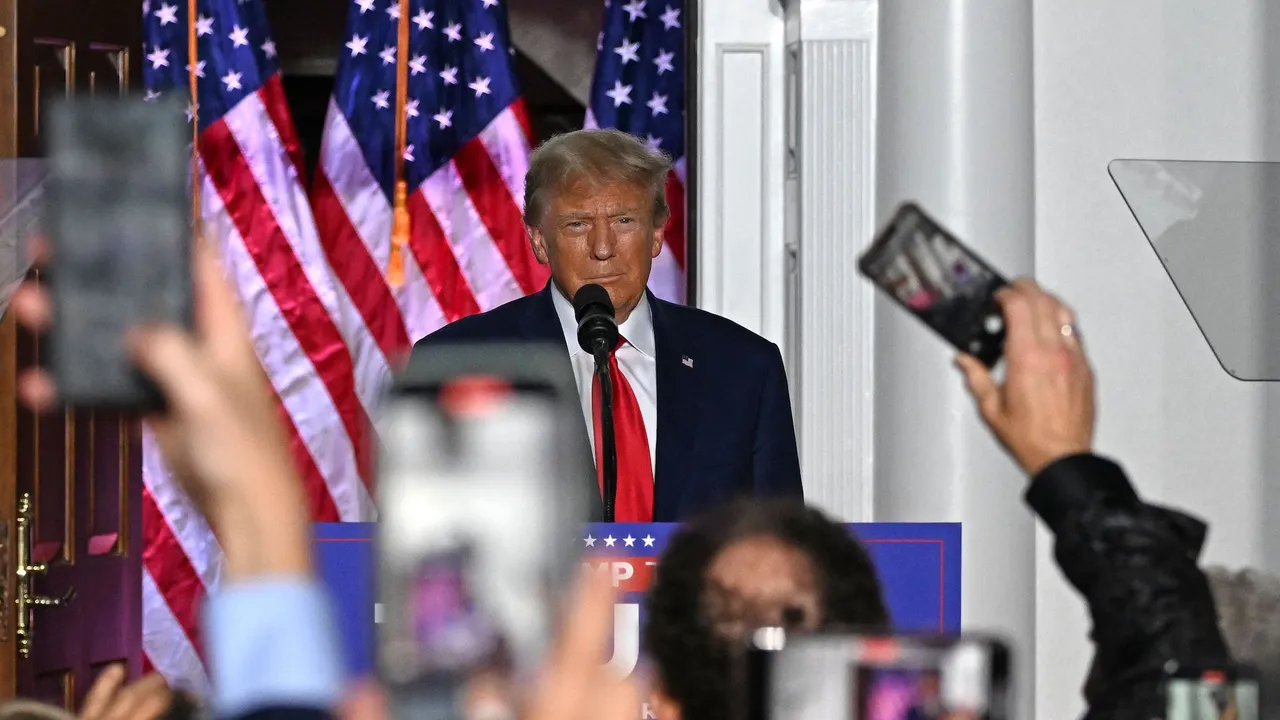
In an unconventional step, President Donald Trump delivered an official speech from the White House on April 1, discussing the details of the war launched by the United States against Iran. This address comes a month after military operations commenced, reflecting a shift in the transparency policy followed by previous administrations.
A report published by the "New York Times," prepared by journalist Charles Homans, indicated that Trump is breaking the tradition that the United States has followed for many years, where wars were concealed from public view. Instead, Trump seeks to highlight these wars as part of his political strategy.
Details of the Event
In his speech, Trump addressed the reasons that led him to decide to wage war, claiming it was necessary to protect American interests. He also emphasized the importance of American public support for the government during these challenging times. Rather than using diplomatic language, Trump adopted a direct style, which provoked mixed reactions among observers.
This speech came at a sensitive time, as pressures are mounting on the American administration from certain political circles demanding more transparency regarding the true objectives of the war. There are also concerns about escalating tensions in the region and their impact on American national security.
Background & Context
Historically, the United States has followed a policy of not disclosing details about wars, as such information was considered sensitive. However, with the rise of social media, it has become difficult to conceal facts from the public. Trump, who enjoys significant popularity on these platforms, seems to be leveraging these channels to communicate directly with the people.
It is noteworthy that American wars in the Middle East, particularly in Iraq and Afghanistan, have sparked widespread debate over their human and financial costs. Nevertheless, Trump appears determined to change this dynamic by openly discussing these issues.
Impact & Consequences
This new approach could alter how future American administrations handle wars. If Trump continues in this direction, it may lead to greater transparency, but it could also raise questions about the American public's willingness to support such wars.
Additionally, this speech may affect American relations with its allies, as some may feel concerned that the United States could make military decisions without consulting them. At the same time, this could escalate tensions with Iran, which may view this speech as provocative.
Regional Significance
For the Arab region, the escalation in American-Iranian relations could have significant repercussions. Arab countries cooperating with the United States in combating terrorism may feel anxious about rising tensions, which could impact regional stability.
Furthermore, this speech could lead to increased divisions within Arab nations, as opinions may vary regarding support for the United States in its wars. Ultimately, the question remains about how Arab countries will respond to this shift in American policy.