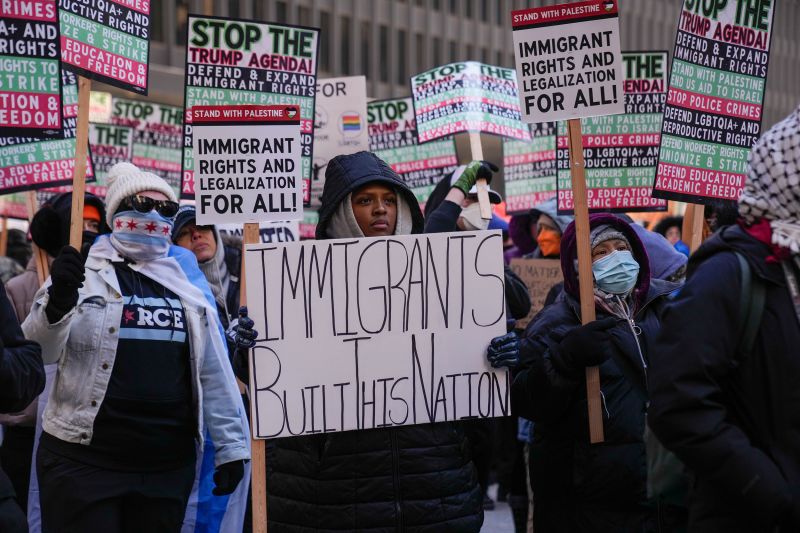
In an unprecedented move, former U.S. President Donald Trump is aiming to abolish birthright citizenship, which could alter immigration rules in the country. This initiative is part of his election campaign, targeting far-right voters.
Birthright citizenship is considered a constitutional right under the 14th Amendment of the Constitution, which guarantees that anyone born on U.S. soil is entitled to citizenship. However, Trump believes this right has been exploited by illegal immigrants, leading to an increase in births resulting in citizenship without any restrictions.
Details of the Announcement
Trump announced at a recent campaign rally that he intends to introduce a bill to abolish birthright citizenship, stating that he will work to enhance national security by reducing illegal immigration. This announcement has sparked mixed reactions, with some viewing it as a step towards bolstering American nationalism, while others see it as a violation of human rights.
At the same time, Trump indicated that this change would reduce the financial burdens on the government, as he believes many immigrants benefit from social services without contributing to the economy.
Background & Context
Historically, the United States has been seen as a haven for immigrants, with those born on its soil enjoying the right to citizenship. However, in recent years, there has been a rise in anti-immigration rhetoric, particularly during Trump's previous administration. These policies have led to significant changes in how the U.S. government addresses immigration issues.
This move is part of Trump's broader strategy to attract far-right voters who are concerned about the impact of immigration on American culture. Previous election campaigns by Trump have heavily focused on immigration issues, contributing to his popularity among this voter demographic.
Impact & Consequences
If this proposal is implemented, it could lead to radical changes in the U.S. immigration system. The abolition of birthright citizenship could increase the number of people living in the United States without legal documentation, potentially exacerbating social and economic crises.
Moreover, this change could affect international relations, as the United States is a primary destination for migrants from around the world. This shift may invite criticism from other countries, impacting the U.S.'s image as an open nation.
Regional Significance
For Arab countries, this decision could have multiple implications. Many Arabs living in the United States may feel anxious about these new policies, especially those with children born in the country. This could lead to increased tensions between Arab and American communities, affecting cultural and economic relations between the two sides.
Ultimately, the question remains about the feasibility of implementing this proposal amid potential legal and political opposition. Nevertheless, this move reflects current trends in American politics, which may influence the future of immigration in the country.