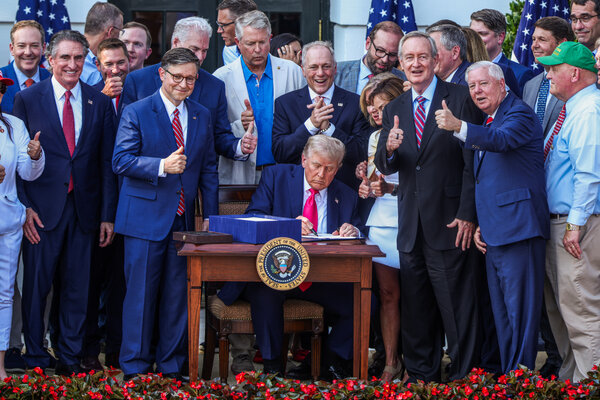
In a historic move that has not occurred in 165 years, President Donald Trump has become the first president in the history of the United States to sign the dollar. This step comes as part of the US administration's efforts to enhance the dollar's status as a global currency and raises questions about its impact on US monetary policy and the economy.
Trump's signing of the dollar represents a symbolic step reflecting his interest in boosting the US economy, as the president seeks to showcase the strength of the national currency at a time when economic challenges are increasing. This event was announced during a press conference at the White House, where Trump affirmed that this step reflects his commitment to achieving economic growth and creating job opportunities.
Details of the Event
Trump's signing of the dollar came after a period of economic tensions experienced by the United States, including the repercussions of the COVID-19 pandemic. Many analysts have pointed out that this step may be an attempt by Trump to send a positive message to investors and American citizens regarding the stability of the economy.
A new design for the dollar featuring the president's signature was also announced, marking a precedent not seen since former President Andrew Johnson signed the dollar in 1857. This new design reflects the economic and social changes that the United States has witnessed in recent years.
Background & Context
Historically, the signing of the dollar by US presidents has been associated with periods of economic stability or major transformations. In 1857, Johnson's signature reflected a time of prosperity before the country entered a period of economic turmoil.
Since then, the dollar has not seen any official signature from a US president, making Trump's step unique. This move comes at a time when the United States is facing multiple economic challenges, including rising inflation and unemployment rates.
Impact & Consequences
Trump's signing of the dollar could affect monetary policy in the United States, as the dollar is considered the world's primary reserve currency. This step may enhance the dollar's status in global markets, potentially leading to increased foreign investments in the United States.
However, there are concerns that this move could escalate tensions with other countries seeking to reduce their reliance on the dollar. Some analysts view this step as a challenge to the monetary policies followed by central banks in other nations.
Regional Significance
Trump's signing of the dollar may have direct effects on Arab economies, as many Arab countries rely on the dollar for their international trade. Any changes in the dollar's value could impact oil prices and essential commodities, potentially leading to fluctuations in Arab markets.
Moreover, this step could affect economic relations between the United States and Arab countries, as many nations seek to diversify their economies and reduce their dependence on the dollar.
In conclusion, Trump's signing of the dollar represents a historic step that could have far-reaching implications for the US and global economy. Amid current economic challenges, it remains to be seen how this action will influence monetary and economic policies in the future.