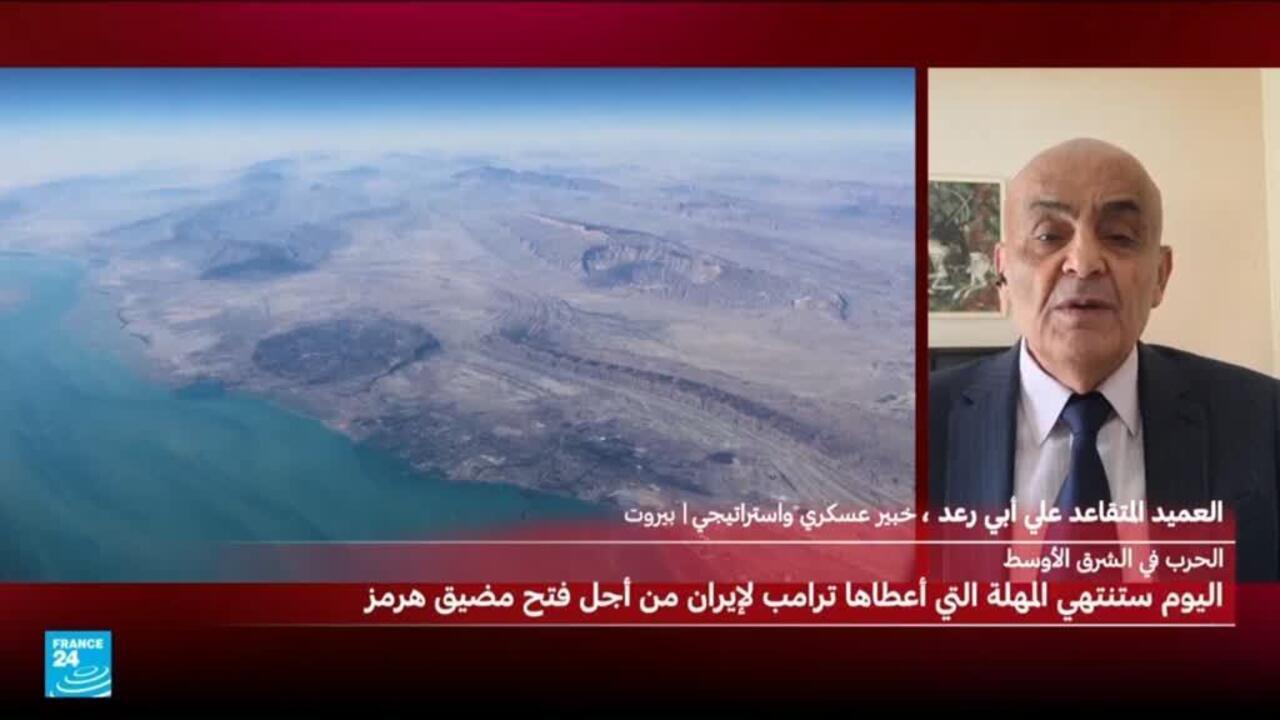
U.S. President Donald Trump threatened on Saturday, through provocative statements, to take effective measures to eliminate Iranian power stations if Tehran does not fully reopen the Strait of Hormuz within 48 hours. These remarks signify a substantial escalation of geopolitical tensions between the United States and Iran and indicate a deterioration in their already strained relations, which have been in crisis for years.
With this sharp threat, it appears that Trump is seeking to increase pressure on the Iranian regime, warning it of severe consequences if it fails to comply with his demands. This statement follows a series of escalating events in the region, particularly concerning the safety of navigation in one of the world's most critical maritime passages.
Details of the Event
Trump's comments came at a crucial time when the Middle East is experiencing increasing instability, posing potential risks to regional and international security. Although he did not provide specific details about the actions he might take, his threat to eliminate power stations reflects significant changes in the United States approach towards Iran.
The strait, which is a vital artery for the transportation of oil and gas, represents the main point of tension between Tehran and the West. Iran has long expressed its willingness to obstruct the passage of goods through this strait as a means of pressuring Western nations. Thus, Trump's position comes as a response to growing concerns over recent harassment by the Iranian navy in the area.
Background & Context
Relations between the United States and Iran have been deteriorating since 1979, when the Islamic Revolution took control of the government. Since then, the U.S. has imposed successive economic sanctions on Iran, the latest being Trump's withdrawal from the nuclear agreement in 2018, which led to an escalation of military and economic policies between the two sides.
In recent years, relations have seen heightened rhetoric over military threats and sanctions, along with military practices in the waters of the Gulf. Consequently, Trump's recent remarks reflect the continuation of this competitive dynamic in bilateral relations.
Impact & Consequences
The potential trend towards escalating military actions in the Gulf could exacerbate humanitarian and economic crises in the region. The American statements may further complicate the geopolitical crisis, especially as Iran has faced severe economic pressures due to sanctions. Any military action from the American side against Iran could provoke military responses from Tehran, foreboding a larger crisis in the region.
Additionally, the impact of these tensions on global oil markets must be considered, as any incidents on the ground could lead to price fluctuations and significant ramifications for the global economy.
Regional Significance
The increasing tension between the United States and Iran could directly affect neighboring Arab states, which may become battlegrounds in a potential conflict. Gulf states are particularly at risk, as they are expected to find themselves in a precarious position if events escalate, requiring them to take clear and strategic stances.
Moreover, concerns over potential attacks targeting certain Gulf regimes by Iran could rise in the event of American escalation. Consequently, Arab nations must be prepared to face any negative consequences, whether on security or economic fronts.
In summary, Trump's recent statements and threats may represent a turning point in the ongoing conflict, necessitating increased awareness from regional and international players.