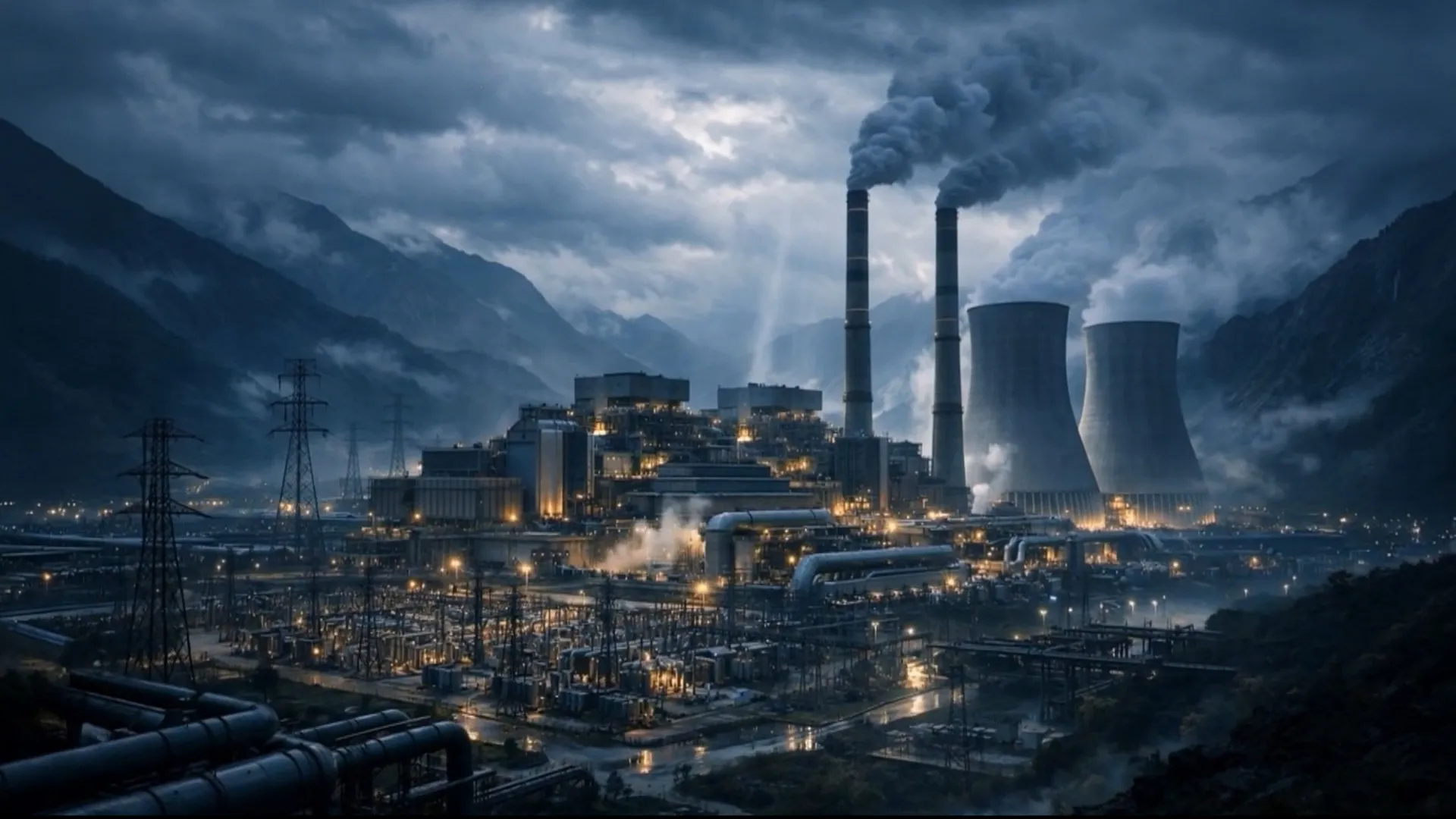
As tensions escalate between the United States and Iran, U.S. President Donald Trump has issued new threats targeting vital facilities in Iran. He stated that his country would destroy electricity generation plants and bridges if Iran does not reach a satisfactory agreement before the specified deadline.
These statements come at a time when the world is witnessing increasing political and economic tensions, raising concerns about the stability of the region. Media reports have highlighted key electricity generation plants and bridges that could be in the crosshairs of U.S. threats, shedding light on the potential impact of these threats on Iranian infrastructure.
Details of the Threats
Trump indicated in his remarks that Iran would face severe consequences if it did not respond to U.S. demands. The threats have focused on vital facilities such as electricity plants, which are considered lifelines for many Iranian cities, as well as bridges that connect different regions.
These facilities are strategic assets that play a crucial role in the Iranian economy, making them potential targets in any military escalation. This threat has raised fears that it could lead to a greater escalation in the ongoing conflict between the two countries.
Background & Context
Historically, U.S.-Iranian relations have seen increasing tensions since the Islamic Revolution in 1979. Economic sanctions imposed on Iran have led to a deterioration of the economic situation, making the country more vulnerable to external threats.
In recent years, the United States has intensified its pressure on Iran, especially after withdrawing from the nuclear agreement in 2018. These pressures have affected Iran's ability to access essential resources, complicating the internal situation further.
Impact & Consequences
If U.S. threats are carried out, it could lead to widespread destruction of Iranian infrastructure, exacerbating the suffering of the Iranian people. The destruction of vital facilities could worsen humanitarian and economic crises in the country.
Moreover, these threats could lead to military escalation in the region, threatening the stability of neighboring countries and increasing tensions in the Middle East. There may be repercussions for regional and international security, necessitating international intervention to curb the escalation.
Regional Significance
The U.S. threats against Iran have a direct impact on neighboring Arab countries. Any military escalation could lead to a flow of refugees and increased sectarian tensions in the region. Arab countries may find themselves in a difficult position between supporting the United States or trying to maintain good relations with Iran.
Ultimately, the current situation requires effective diplomatic dialogue to avoid military escalation, as any escalation could negatively affect security and stability in the region.