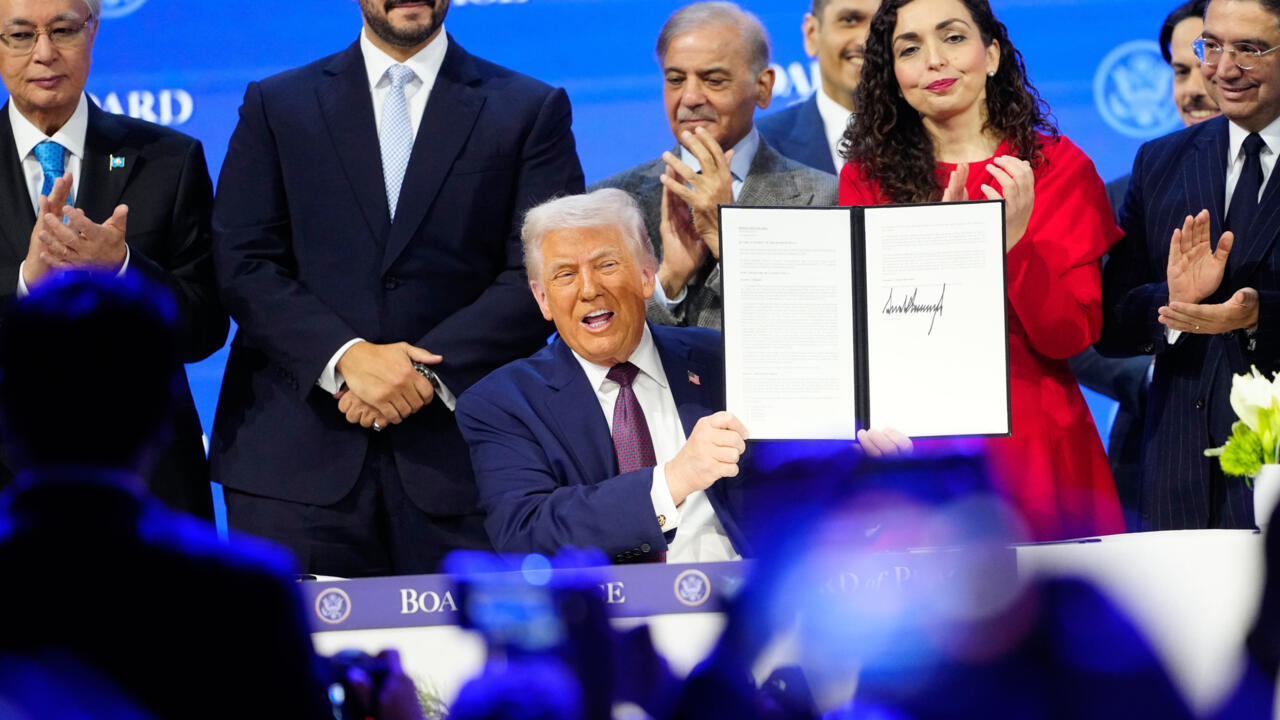
The US Treasury Department has announced its intention to place former President Donald Trump's signature on a new paper currency, which is considered a historic precedent for a sitting president. This move comes as part of the department's efforts to modernize currency design and strengthen national identity, with the new currency expected to be issued in the near future.
The new currency will feature innovative designs that reflect the history and culture of the United States, focusing on national symbols. Trump's signature is considered a part of this process, raising questions about the impact of this decision on monetary policy and national symbolism.
Details of the Announcement
The US Treasury Department has been seeking to introduce changes to paper currency for some time, and these plans were announced at a press conference held last week. A spokesperson for the department confirmed that the new currency will include advanced security features to prevent counterfeiting while maintaining the traditional design known for the US dollar.
The new currency is expected to be launched later this year, providing people with the opportunity to see Trump's signature on official currency, an unprecedented event in US history. This decision has sparked mixed reactions among politicians and citizens, with some viewing it as an honor for Trump, while others consider it an unnecessary step.
Background & Context
Historically, the signature of a sitting president has not been used on US paper currency, as signatures have typically been reserved for former presidents or historical figures. The practice of using presidents' signatures on currency dates back to the 19th century, where it was seen as a symbol of authority and legitimacy. However, the use of Trump's signature represents a shift in this tradition.
This move comes at a time when the United States is facing significant economic challenges, including inflation and a potential recession. The Treasury Department believes that updating the currency could enhance confidence in the US financial system and revitalize the economy.
Impact & Consequences
This decision could have wide-ranging effects on monetary policy in the United States, as the president's signature is seen as a symbol of authority and legitimacy. This decision may also spark debate about how national symbols influence American identity, especially amid current political divisions.
Additionally, introducing new currency designs could bolster the government's efforts to combat counterfeiting, which is considered important given the security challenges facing the country. However, this decision may also be viewed as a move to highlight Trump's legacy, potentially eliciting mixed reactions from citizens.
Regional Significance
Although this decision pertains to the United States, it may have potential implications for the Arab region. The US dollar is the primary currency in international trade, and any changes in its design or symbols could affect confidence in the US currency in global markets.
The use of Trump's signature on the currency may also raise questions about the relationship between the United States and Arab countries, particularly in light of the controversial policies Trump pursued during his presidency. This decision could be seen as part of his political legacy that continues to influence international relations.
In conclusion, the US Treasury Department's decision to place Trump's signature on the new paper currency is an unprecedented step that carries deep historical and political implications. As discussions continue around this topic, the question remains open regarding how this move will impact national identity and monetary policy in the United States.