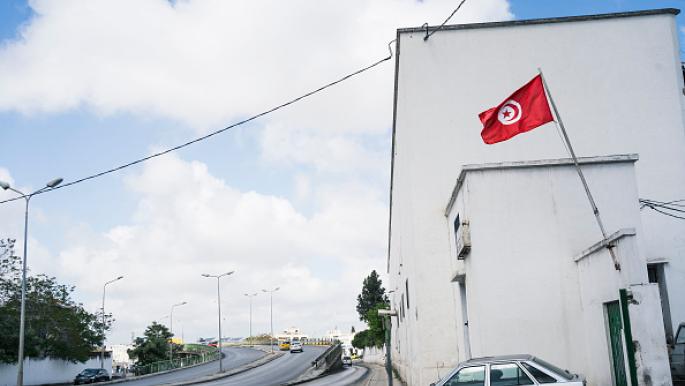
The Tunisian Defense Ministry has sparked significant debate in the country following a statement issued on Thursday, affirming its commitment to neutrality and rejecting any involvement in political disputes and maneuvering. This statement comes at a time of increasing political tensions in Tunisia, prompting many to question the military's stance during these critical times.
The ministry's statement was a response to what it described as "attempts to drag it into" the political conflicts currently unfolding in the country. The ministry emphasized that it would remain neutral and rejected any doubts regarding its impartiality. This position reflects the ministry's desire to maintain its independence away from political disputes that could impact its role in safeguarding the nation.
Details of the Statement
Amid the tense atmosphere in Tunisia, the Defense Ministry's statement reflects concerns over escalating political pressures. Recently, the country has witnessed a rise in the intensity of disagreements among various political factions, prompting the ministry to clarify its position. The statement did not specify which parties are attempting to involve the ministry in these conflicts, but it indicated that the military institution would remain committed to its national responsibilities.
This stance also reflects the ministry's desire to uphold the image of the military as a neutral entity, which is considered vital under the current circumstances. Any bias could lead to a loss of trust in the military institution, potentially affecting the country's stability.
Background & Context
Historically, the military institution in Tunisia has played a crucial role in maintaining stability, especially during periods of political crises. Following the Tunisian revolution in 2011, the country experienced significant political transformations; however, the military maintained its neutrality. This neutrality has contributed to strengthening the trust between the people and the army, which is a fundamental factor in the country's stability.
In recent years, with the rise of political tensions, it has become essential for the ministry to reaffirm its position. The recent statement comes at a sensitive time, as calls from some political factions for the army to intervene in political affairs are increasing, which could have dire consequences for Tunisia's emerging democracy.
Impact & Consequences
The statement issued by the Defense Ministry may have significant implications for the political landscape in Tunisia. On one hand, it could strengthen the ministry's position as a neutral entity, potentially helping to reduce tensions among political factions. On the other hand, it may lead to increased pressure from certain parties seeking to exploit the situation for their benefit.
Additionally, this statement could help bolster trust between citizens and the army, which is vital under the current conditions. If the ministry can maintain its neutrality, it may contribute to the country's stability and avoid any slide into chaos.
Regional Significance
Tunisia is considered a model in the Arab region, being one of the first countries to experience the Arab Spring revolutions. Therefore, any developments in Tunisia could impact other countries in the region. If Tunisia can navigate through these political crises, it may serve as an example for other nations facing similar tensions.
Conversely, any slide into chaos in Tunisia could have negative repercussions on stability in the region, especially given the difficult economic and social conditions many Arab countries are experiencing.
The Tunisian Defense Ministry's statement underscores the importance of maintaining the military's neutrality amid political tensions. This neutrality may be key to the country's stability and reflects the ministry's desire to protect the nation away from political disputes.