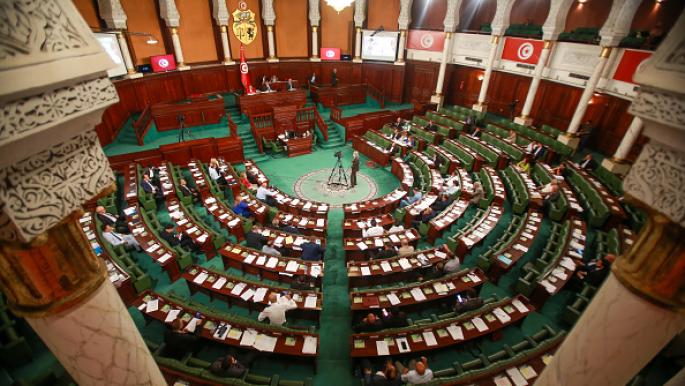
The Tunisian Parliament, in a decisive session, approved five new agreements aimed at promoting the use of renewable energy, with a majority vote. This initiative is part of the Tunisian government's efforts to expedite the energy transition and meet sustainable development objectives.
The new agreements encompass projects designed to increase reliance on clean energy sources, such as solar and wind energy. This move has sparked widespread debate among lawmakers, with some opposing the agreements on the grounds that they may lead to economic dependency on foreign entities.
Details of the Agreements
During the session, detailed information was presented regarding each agreement, highlighting the significance of these projects in achieving Tunisia's energy independence. It was emphasized that these agreements would contribute to creating new job opportunities and bolstering the local economy.
On the other hand, some opposing lawmakers pointed to potential risks associated with these agreements, such as increased external debt and its impact on national sovereignty. However, the government asserted that these projects would enhance Tunisia's capacity to tackle environmental and economic challenges.
Background & Context
Tunisia has been striving for years to implement ambitious strategies in the field of renewable energy, in line with its commitment to international agreements aimed at combating climate change. Studies have shown that Tunisia possesses significant potential in this area, making it an attractive destination for investment in clean energy.
Historically, Tunisia has faced challenges in securing its energy needs, prompting the government to seek sustainable alternatives. These agreements represent a crucial step toward achieving national objectives in this context.
Impact & Consequences
These agreements are expected to positively impact the Tunisian economy by reducing dependence on fossil fuels and lowering carbon emissions. They will also enhance Tunisia's ability to attract foreign investments in the renewable energy sector.
Furthermore, these projects may help improve Tunisia's international image as a leading country in clean energy, potentially opening doors for increased international cooperation in this field.
Regional Significance
Tunisia serves as a model in the Arab region, where many countries are seeking to enhance the use of renewable energy. This initiative could inspire other nations in the region to adopt similar policies, contributing to the achievement of broader sustainable development goals.
Given the environmental challenges facing the region, Tunisia may be well-positioned to lead in the clean energy sector, thereby enhancing its economic and social stability.