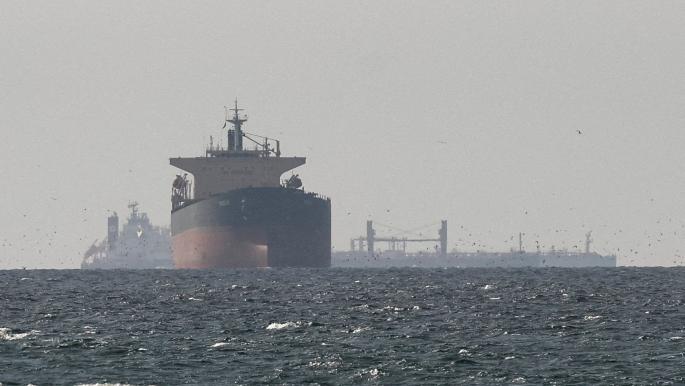
Turkey's Minister of Transport and Infrastructure, Adil Karaismailoglu, reported that 14 Turkish ships are currently stranded in the Strait of Hormuz, as Turkey seeks permits from Iran to allow these vessels to pass through. This initiative comes at a sensitive time for the region, given that the Strait of Hormuz is one of the world's most crucial maritime passages.
These ships are part of Turkey's commercial fleet and have faced difficulties in crossing the strait due to the political and economic tensions in the area. The minister indicated that discussions with the Iranian side aim to facilitate traffic in this vital corridor.
Details of the Situation
Turkey is one of the countries that heavily relies on maritime trade, with approximately 20% of the world's oil passing through the Strait of Hormuz. This crisis emerges as relations between Turkey and Iran experience some strains, complicating the situation further. The Turkish minister confirmed that his country is working to find a swift solution to this issue, as delays in the ships' passage could negatively impact the Turkish economy.
It is noteworthy that the Strait of Hormuz is a critical transit point for many countries, including oil-producing Arab nations. Therefore, any disruption in shipping traffic could reflect on global oil prices.
Background & Context
Historically, the Strait of Hormuz has witnessed numerous political and military crises, serving as a convergence point for international interests. In recent years, tensions between Iran and the United States have escalated, affecting maritime navigation in the region. The area has also seen a rise in military activities, making it essential for neighboring countries, including Turkey, to take steps to ensure the safety of their vessels.
Turkey aims to enhance its economic relations with neighboring countries, particularly Iran, despite political tensions. Turkey has expressed its desire to improve trade cooperation with Iran, which may help alleviate tensions in the region.
Impact & Consequences
This crisis could affect trade relations between Turkey and Iran, as Iran is a significant trading partner for Turkey. If the crisis persists, the exports and imports of both countries may be impacted, potentially leading to price increases in the local market.
Moreover, any delays in the passage of ships could influence global oil prices, which may have repercussions on the global economy. Therefore, resolving this crisis is essential to maintain market stability.
Regional Significance
Arab oil-producing countries, such as Saudi Arabia and the United Arab Emirates, are among those most affected by any disruptions in the Strait of Hormuz. A significant portion of Arab oil exports to global markets passes through this strait. Consequently, any disruption in shipping traffic could impact oil prices and increase instability in the region.
In conclusion, the tensions in the Strait of Hormuz remain a sensitive issue that requires international cooperation to ensure maritime safety. Turkey's success in obtaining the necessary permits for its ships could be a positive step towards enhancing stability in the region.