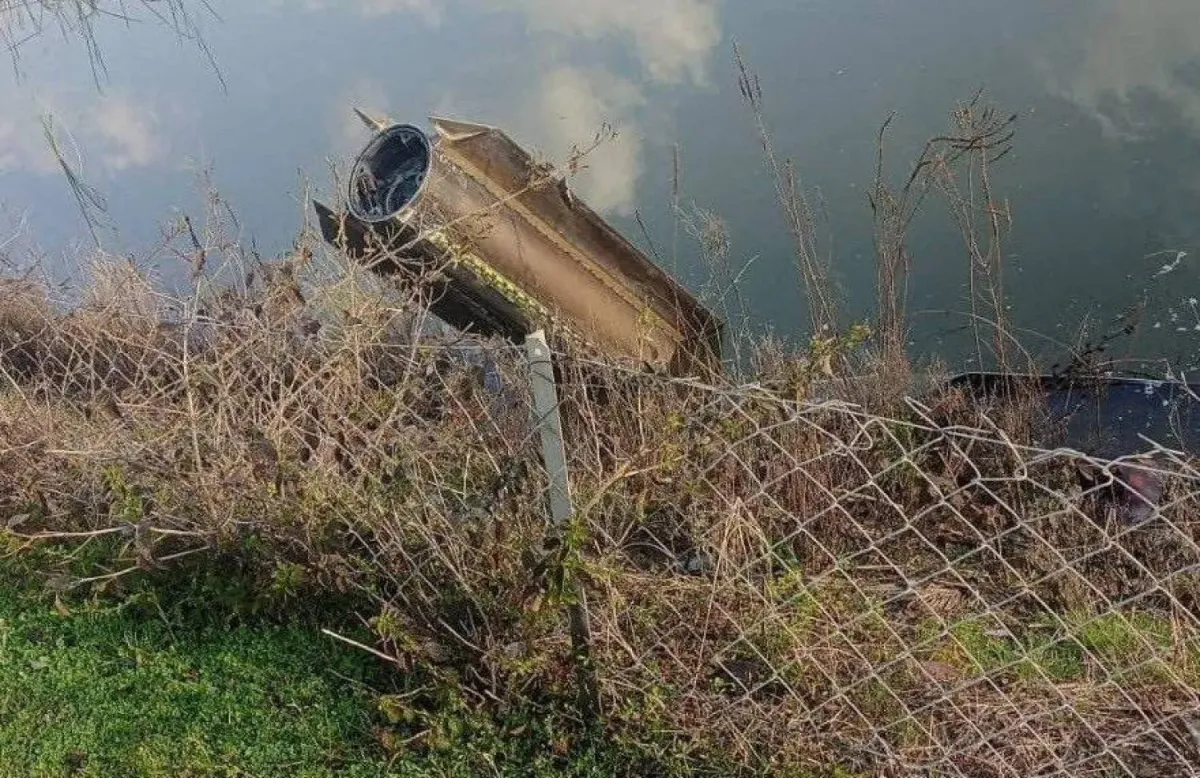
The Turkish Ministry of Defense announced on Monday that NATO air and missile defense systems, deployed in the eastern Mediterranean, successfully intercepted a ballistic missile launched from Iran after it entered Turkish airspace. This incident is considered the fourth of its kind since the onset of the conflict with Iran, as the region has witnessed a notable escalation in military operations.
The ministry stated that all necessary measures are being taken "decisively and without hesitation" against any threats directed at Turkey's territory and airspace, reflecting Ankara's commitment to protecting its sovereignty and national security.
Details of the Incident
Earlier this month, NATO systems conducted three similar interception operations, prompting Turkey to lodge official protests and warnings to Tehran. This escalation occurs at a time when the Middle East is experiencing increasing tensions, particularly with the military operations being carried out by the Israeli army against Iranian targets in Syria and Lebanon.
On the other hand, the Israeli army announced that it had launched airstrikes on the "Imam Hussein University," which is managed by the Iranian Revolutionary Guard, where it is alleged that advanced weapon development activities were taking place. The army indicated that these airstrikes aim to undermine the Iranian regime's capabilities to produce weapons.
Background & Context
Tensions between Turkey and Iran are rising amid ongoing regional conflicts, as the two countries compete for influence in areas such as Iraq and Syria. Their relationship has seen significant fluctuations, with cooperation in some areas while clashing in others.
Historically, Turkey and Iran have been neighboring countries exchanging trade and cultural relations, but recent political events, including the war in Syria and tensions in the Gulf, have led to an escalation of disputes between them. Additionally, military interventions by major powers, such as the United States and Israel, complicate the situation further.
Impact & Consequences
This incident serves as a wake-up call for regional countries, highlighting the fragility of security conditions in the area. The escalation of military operations and mutual threats could lead to greater escalation, threatening regional stability.
Moreover, these events may impact relations between Turkey's allies in NATO, as any threat to Turkish security is considered a threat to collective security. At the same time, these developments may prompt a reevaluation of major powers' strategies in the region, particularly those of the United States and Israel.
Regional Significance
The ongoing events in Turkey and Iran have a direct impact on Arab countries, especially those suffering from internal conflicts or tensions with Iran. Any military escalation could have negative repercussions on regional security, exacerbating the suffering of civilians in conflict areas.
Arab countries may find themselves compelled to reassess their alliances and security strategies in light of these changing circumstances. Regional cooperation to address common threats may become an urgent necessity to maintain stability.
The shooting down of the Iranian missile over Turkish airspace underscores the rising tensions in the region and indicates the need for urgent steps to ensure regional security and stability. Concerned countries must work together to avoid further escalation and mitigate tensions.