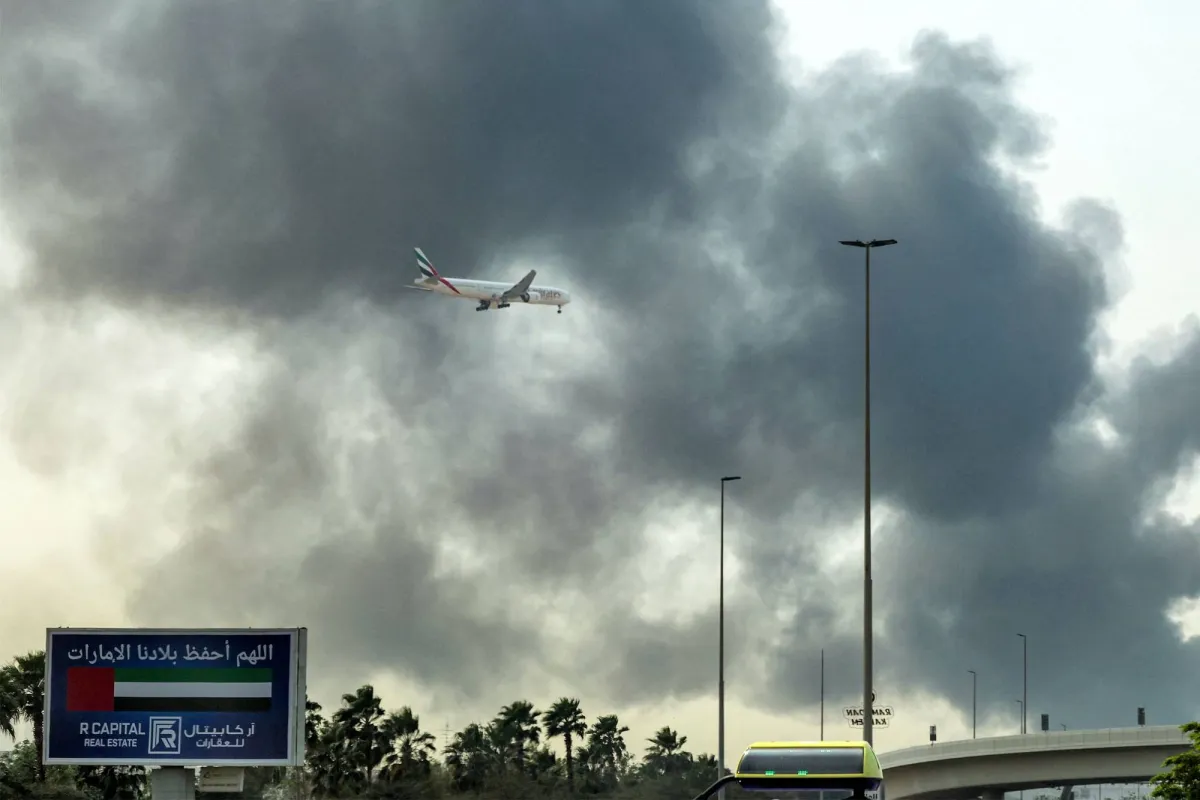
The UAE's Ministry of Defense announced on Saturday that its air defenses intercepted 20 ballistic missiles and 37 drones launched from Iran, marking a new escalation that threatens the nation's security and stability. The ministry confirmed that its forces managed to intercept these targets with high efficiency, reflecting the level of readiness and preparedness to face various threats.
In an official statement, the ministry explained that these operations are part of its ongoing efforts to protect the country's airspace. Since the onset of Iranian aggressions, air defenses have successfully dealt with 398 ballistic missiles and 15 cruise missiles, in addition to 1872 drones, highlighting the security challenges faced by the UAE amidst the tense regional conditions.
Details of the Incident
The Ministry of Defense reported that the recent attacks resulted in the martyrdom of two armed forces personnel, along with a Moroccan civilian who was contracted with the forces. Additionally, 8 civilians from various nationalities were killed, including Pakistani, Nepali, Bangladeshi, Palestinian, and Indian. The number of injured reached 178, with injuries ranging from minor to severe, involving individuals of different nationalities.
The Ministry of Defense emphasized that it is on high alert to deal with any threats, stressing that it will firmly confront anything that could destabilize the nation's security, ensuring the preservation of its sovereignty and the protection of its national interests and resources.
Context and Background
These attacks come amid escalating tensions between Iran and Gulf countries, as the UAE seeks to enhance its defensive capabilities in the face of increasing threats. The region has witnessed several similar attacks in recent years, prompting Gulf states to strengthen their security cooperation and develop air defense systems.
Historically, the UAE has faced multiple attacks from groups linked to Iran, leading to the mobilization of the armed forces and the development of new strategies to counter these threats. In this context, these operations are considered part of a broader strategy to protect national security.
Impact and Consequences
These attacks indicate a serious escalation in regional tensions, which could affect stability in the Gulf region. Such events may lead to increased tensions between Iran and Arab countries, threatening regional security and raising the likelihood of military escalation.
Moreover, these attacks could impact economic and trade relations between the UAE and other countries, as some nations may take precautionary measures that affect trade and investment flows in the region.
Significance for the Arab Region
These events serve as a warning to other Arab countries regarding the security threats they may face. Such attacks may prompt Arab nations to enhance security cooperation and share intelligence to address common challenges.
In light of these circumstances, Arab countries must be prepared to confront any potential threats and work on strengthening their defensive capabilities to protect their national interests.