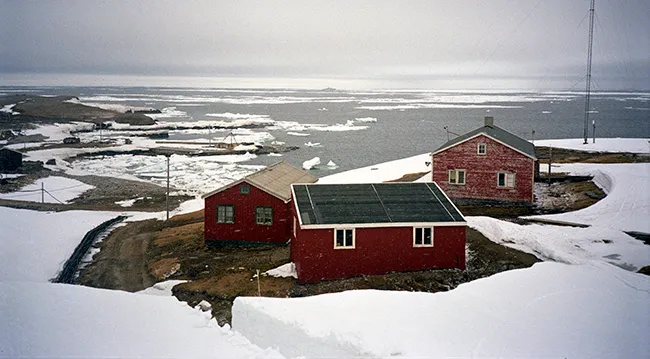
The United Arab Emirates has announced its accession to the Svalbard Treaty during an official event in Norway, with the goal of enhancing scientific research and international cooperation in the Arctic region. This initiative comes at a time when environmental challenges facing the world are increasing, necessitating a united international effort to address them.
The Svalbard Treaty, signed in 1920, provides a legal framework aimed at regulating activities in the Arctic region, including scientific research and environmental protection. The UAE has shown significant interest in enhancing its role in environmental issues, seeking to be part of global solutions to climate challenges.
Details of the Accession Event
During the accession ceremony, UAE officials emphasized the importance of international cooperation in scientific research, noting that the Arctic represents a vital area requiring special attention due to the impacts of climate change. The significance of knowledge and experience sharing among member states of the treaty was also highlighted.
Through this step, the UAE aims to strengthen its position as a major supporter of scientific research in environmental fields, having already launched several initiatives aimed at protecting the environment and promoting sustainability. Its accession to the Svalbard Treaty is expected to enhance its efforts in this domain.
Background & Context
The Svalbard Treaty was established in 1920 and aims to regulate economic and scientific activities in the Norwegian Svalbard Islands. It is one of the first international treaties addressing environmental issues and has been amended several times to meet new challenges facing the region. With the growing global interest in the Arctic due to climate change, the treaty has become more important than ever.
The UAE is among the countries striving to enhance its role in global environmental issues, having launched numerous initiatives such as the UAE Climate Change Strategy and various sustainability projects aimed at reducing carbon emissions and promoting renewable energy.
Impact & Consequences
The UAE's accession to the Svalbard Treaty is a significant step in enhancing international cooperation to tackle environmental challenges. This move reflects the UAE's commitment to supporting scientific research in environmental matters, which is crucial for understanding and addressing the impacts of climate change.
Moreover, this accession opens new avenues for collaboration between member states, facilitating the exchange of knowledge and best practices in Arctic research and environmental protection. The UAE's involvement in the treaty is expected to lead to increased funding and support for scientific initiatives in the region.
Regional Significance
The Arctic region is experiencing rapid changes due to climate change, making it essential for countries to work together to monitor and address these changes. The UAE's participation in the Svalbard Treaty underscores its recognition of the importance of the Arctic and its commitment to contributing to global efforts in this area.
As the UAE continues to expand its role in international environmental governance, its involvement in the Svalbard Treaty positions it as a key player in Arctic affairs, potentially influencing policies and strategies that affect the region's future.
In conclusion, the UAE's accession to the Svalbard Treaty not only enhances its scientific research capabilities but also reinforces its commitment to international cooperation in addressing pressing environmental challenges. This step is expected to yield significant benefits for both the UAE and the global community as they work together to protect the Arctic environment.