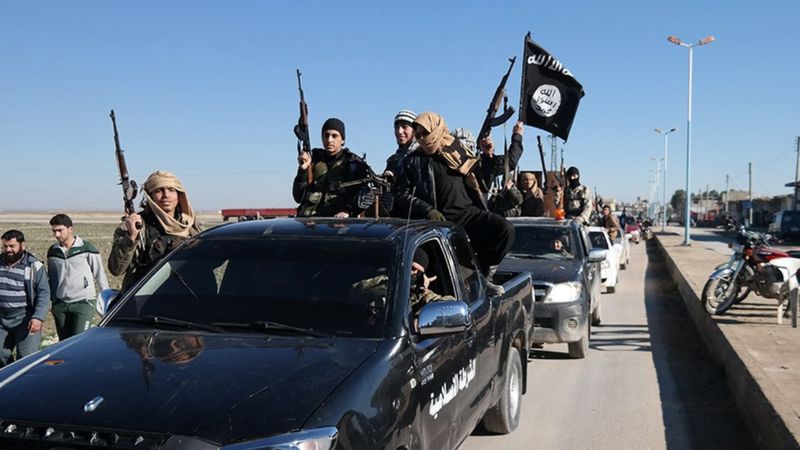
The British government has announced the addition of two new classifications of sanctions against the so-called ISIS and Al-Qaeda, in a step aimed at enhancing international efforts to combat terrorism. These sanctions are part of the United Kingdom's strategy to address increasing security threats, as the government seeks to dry up the funding sources for these extremist groups.
The new sanctions include freezing the financial assets of individuals and entities linked to these groups, in addition to imposing travel restrictions. These measures come at a time when many European countries are witnessing a rise in terrorist activities, necessitating stricter measures to tackle these challenges.
Details of the Announcement
In an official statement, the British government confirmed that the new classifications include individuals and entities identified as posing a threat to national security. It noted that this step is part of the UK's commitment to combating terrorism both domestically and internationally. The government also emphasized that it will continue to work with international partners to share information and enhance cooperation in the fight against terrorism.
These measures are considered part of a comprehensive strategy aimed at addressing the increasing threats from extremist groups, as the government seeks to bolster internal security and protect citizens from potential risks. These steps were taken following a thorough assessment of the security situation in the country, which revealed a rise in terrorist activities in recent years.
Background & Context
Historically, the United Kingdom has witnessed numerous terrorist attacks carried out by groups such as ISIS and Al-Qaeda, resulting in the loss of many lives and creating a state of panic among citizens. In recent years, the British government has taken a series of measures to combat this phenomenon, including strengthening laws related to terrorism and increasing the security budget.
Economic sanctions are considered effective tools in combating terrorism, as they aim to undermine the ability of extremist groups to finance their activities. Previous experiences have shown that freezing financial assets can significantly impact these groups' capacity to carry out their operations.
Impact & Consequences
The new sanctions are expected to reduce the financial activities of extremist groups, which may contribute to diminishing security threats in the United Kingdom. Additionally, this move could inspire other countries to adopt similar measures in their efforts to combat terrorism.
However, challenges remain, as terrorist groups may find new ways to finance their activities. Therefore, the British government must remain vigilant and continue to develop its strategies to address these evolving challenges.
Regional Significance
This British step is particularly significant for the Arab region, where many Arab countries face similar terrorist threats. The new sanctions may enhance cooperation between Arab nations and the United Kingdom in the field of counter-terrorism, contributing to achieving security and stability in the region.
Moreover, these measures may help improve the United Kingdom's image in the Arab world, as they demonstrate its commitment to combating terrorism and supporting countries facing similar security challenges. In the current circumstances, it is crucial for Arab nations to collaborate with international partners to effectively confront these threats.
In conclusion, these new sanctions reflect the British government's commitment to combating terrorism and enhancing national security, marking an important step in the international efforts to address increasing security challenges.