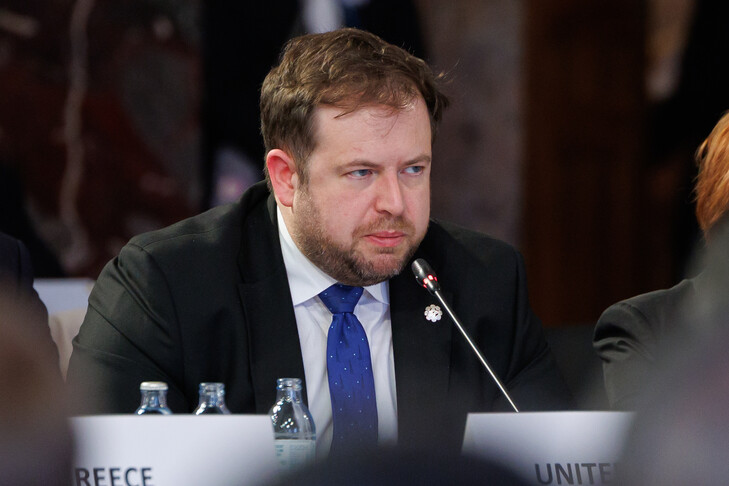
The UK government has called for the urgent reopening of the Strait of Hormuz during a meeting of the UN Security Council, cautioning that Iran may exploit the current situation to threaten the global economy. The British Foreign Secretary emphasized that the ongoing maritime crisis in the region is leading to increased global costs and jeopardizing supply chains, necessitating immediate action from the international community.
The Foreign Secretary pointed out that the Strait of Hormuz is a vital point for oil and gas transportation, with approximately 20% of the world's total oil supply passing through it. He noted that any escalation in tensions could have dire consequences for the global economy, especially given the current economic conditions faced by many countries.
Details of the Event
During the meeting, the British minister provided a detailed presentation on the situation in the region, indicating that Iran may be behind the escalation of maritime tensions. He confirmed that the UK government is working to enhance cooperation with its allies to ensure maritime security in the area. He also called for collective action to address any threats that global supply chains may face.
These statements come at a sensitive time, as fears grow that any hostile actions in the Strait of Hormuz could disrupt global oil markets. Oil prices have seen significant increases in recent days, reflecting the rising anxiety over escalating tensions in the region.
Background & Context
The Strait of Hormuz is considered one of the most important maritime corridors in the world, linking the Arabian Gulf to the Gulf of Oman. Historically, the strait has witnessed numerous crises and tensions, particularly during periods of conflict between Iran and the United States. The strait has played a pivotal role in many geopolitical events, making it a focal point of international interest.
In recent years, tensions in the region have escalated due to several factors, including the Iranian nuclear program and the presence of US military forces. These tensions have heightened fears of potential conflicts that could impact navigation in the strait.
Impact & Consequences
If tensions in the Strait of Hormuz persist, it could lead to negative repercussions for the global economy, as many countries rely on oil supplies from this region. Further increases in oil prices may occur, affecting transportation and production costs across various sectors.
Moreover, any escalation in the region could lead to heightened political tensions among major powers, which could adversely affect regional and international stability. It is crucial for the international community to take effective steps to ensure maritime security in the strait and avoid any escalation that could lead to armed conflict.
Regional Significance
The Arab countries neighboring the Strait of Hormuz are among the most affected by the tensions in the region. Rising oil prices could impact the economies of these nations, which heavily depend on oil exports. Additionally, any escalation could lead to an influx of refugees and increased internal tensions in some countries.
It is essential for Arab nations to enhance cooperation among themselves to address the challenges arising from crises in the region. Clear strategies must be established to ensure energy security and economic stability.