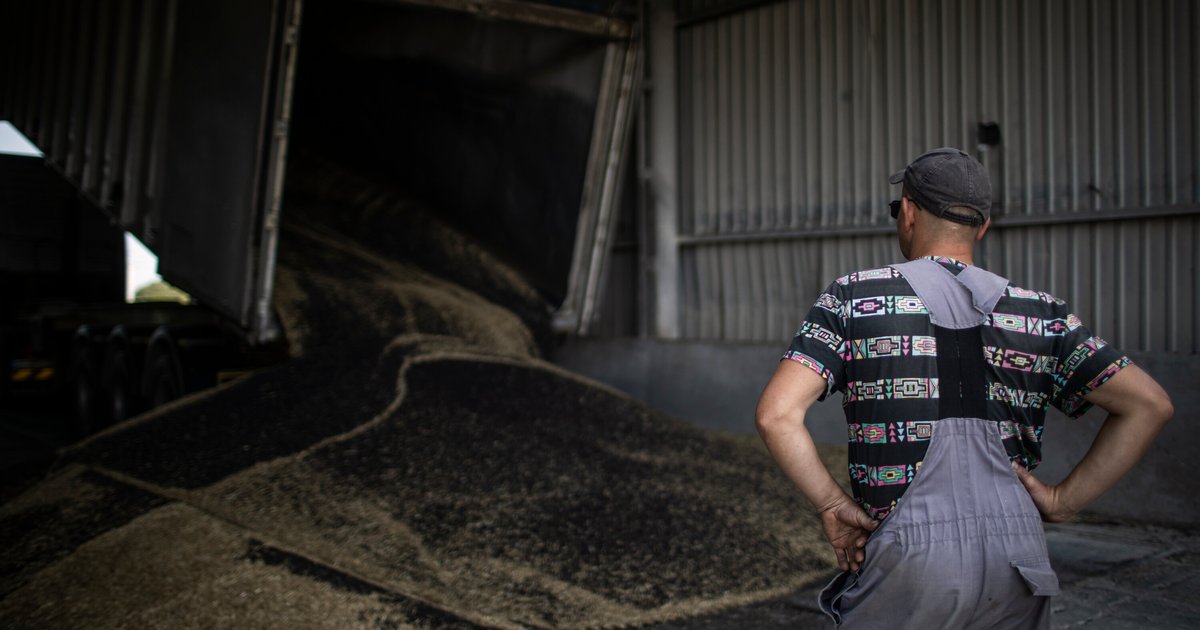
Ukraine has vehemently condemned Israel's purchase of wheat that it considers stolen from Russia, emphasizing that this deal is not legitimate. This statement arises amid growing concerns regarding global food security, particularly due to the ongoing conflict between Ukraine and Russia.
Reports indicate that Israel has acquired quantities of wheat from Russian sources, which has provoked anger from the Ukrainian government, viewing this act as indirect support for the Russian invasion. Ukraine has asserted that this move contradicts international laws and contributes to bolstering Russian activities in the region.
Details of the Incident
In an official statement, the Ukrainian Ministry of Foreign Affairs confirmed that purchasing wheat from Russia constitutes a violation of its sovereign rights. It pointed out that this wheat has been seized from occupied Ukrainian territories, rendering any transaction involving it illegitimate. Ukraine has called on the international community to take a firm stance against these activities.
These remarks come at a critical juncture, as global markets are witnessing rising food prices due to the ongoing conflict. The war in Ukraine has significantly impacted wheat supplies, increasing pressure on countries that rely on food imports.
Background & Context
Historically, Ukraine has been considered one of the largest wheat producers in the world; however, the conflict with Russia since 2014 has severely affected its production capacity. In 2022, the intensity of the conflict escalated following the Russian invasion, leading to international sanctions against Russia, although some countries continue to engage with it.
Israel, which maintains relations with both Ukraine and Russia, is now facing pressure from Kyiv to clarify its position. This situation has raised questions about how these relationships will affect food security in the region.
Impact & Consequences
This crisis could exacerbate tensions between Ukraine and Israel, as Ukraine may take diplomatic steps against Tel Aviv. Additionally, this situation could affect trade relations between the two countries, complicating the dynamics in the Middle East.
Furthermore, the continued purchase of Russian wheat may encourage other countries to take similar steps, complicating the international community's efforts to impose effective sanctions on Russia.
Regional Significance
Arab countries are significantly affected by global food crises, as many of these nations rely on imports to meet their wheat needs. If the crises in Ukraine and Russia persist, Arab countries may face rising food prices, increasing economic pressures on them.
In conclusion, the current situation requires Arab countries to take proactive measures to ensure their food security, especially amid rising tensions in global markets.