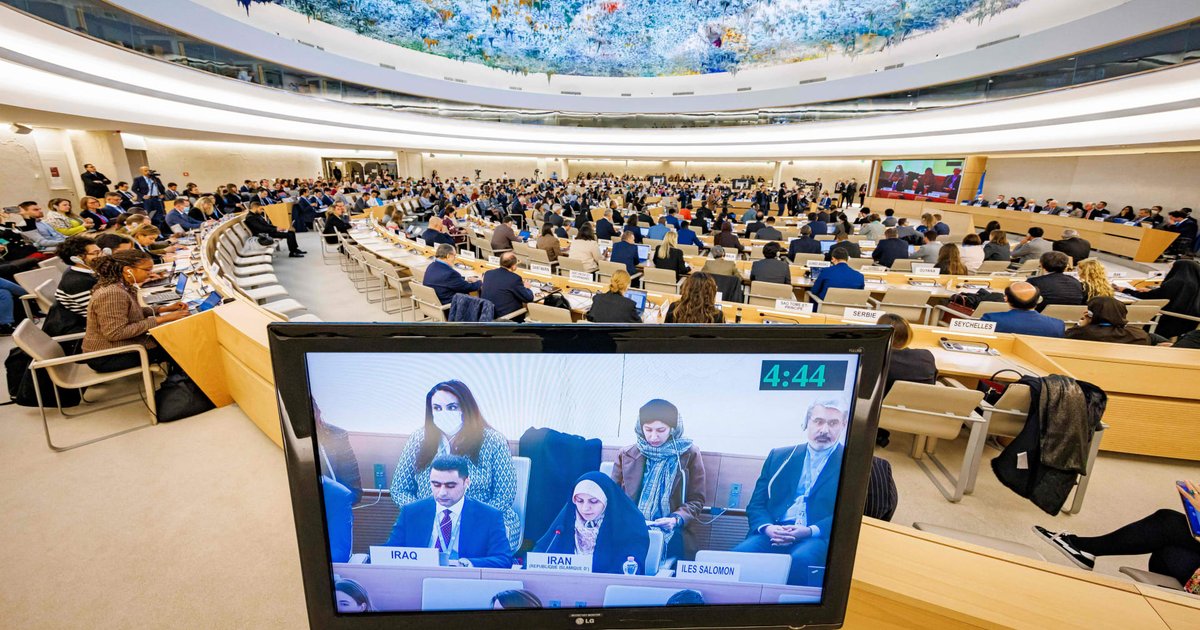
The United Nations Human Rights Council, in a decision issued on Wednesday, condemned the attacks carried out by Iran on its Gulf neighbors, demanding full and prompt compensation for the victims. This resolution was unanimously adopted by the council's 47 members, with the proposal put forth by the Gulf Cooperation Council countries and Jordan.
The resolution also criticized the Iranians for closing the Strait of Hormuz, urging them to immediately cease all unjustified attacks. This move comes at a sensitive time as the region experiences escalating tensions, raising concerns within the international community.
Details of the Resolution
The adopted resolution reflects the growing concern of the international community regarding Iran's actions in the region. The Strait of Hormuz is considered one of the world's most important waterways, through which approximately 20% of global oil passes. Closing or threatening this strait is regarded as a threat to both regional and international security.
The council, which includes 47 countries, demonstrated clear solidarity with Gulf nations, as this step represents strong support for their stance against Iranian activities. This decision followed a series of attacks targeting commercial vessels in the region, which heightened tensions between Iran and its neighbors.
Background & Context
Historically, relations between Iran and Gulf countries have been marked by ongoing tensions, with Gulf nations accusing Iran of supporting armed groups in the region, exacerbating conflicts. Additionally, tensions between Iran and the United States have significantly impacted the situation in the Gulf, as U.S. sanctions have worsened Iran's economic conditions, prompting it to take more aggressive actions in the region.
In recent years, Iranian attacks on commercial vessels have increased, raising alarm within the international community. Reports have indicated that Iran has utilized advanced weaponry in these attacks, escalating the situation and necessitating urgent action.
Impact & Consequences
The implications of this resolution could be significant, as it is likely to increase international pressure on Iran. It may also bolster the position of Gulf countries in facing Iranian threats, potentially leading to new alliances in the region. This decision could escalate tensions between Iran and the United States, as Washington may take further steps to support its allies in the Gulf.
Moreover, demands for compensation could open a new avenue of legal and political tensions between Iran and Gulf nations, complicating the situation in the region. The international community must take effective steps to ensure the safety of navigation in the Strait of Hormuz and protect the economic interests of the involved countries.
Regional Significance
This resolution reflects deep concerns among Arab nations regarding Iranian activities and strengthens their position in facing security challenges. Additionally, international support for Gulf countries may enhance their capacity to confront threats, potentially leading to greater stability in the region.
Ultimately, the question remains as to how Iran will respond to this resolution and whether it will take steps to de-escalate tensions. The situation in the Gulf requires all parties to exercise wisdom to ensure security and stability in the region.