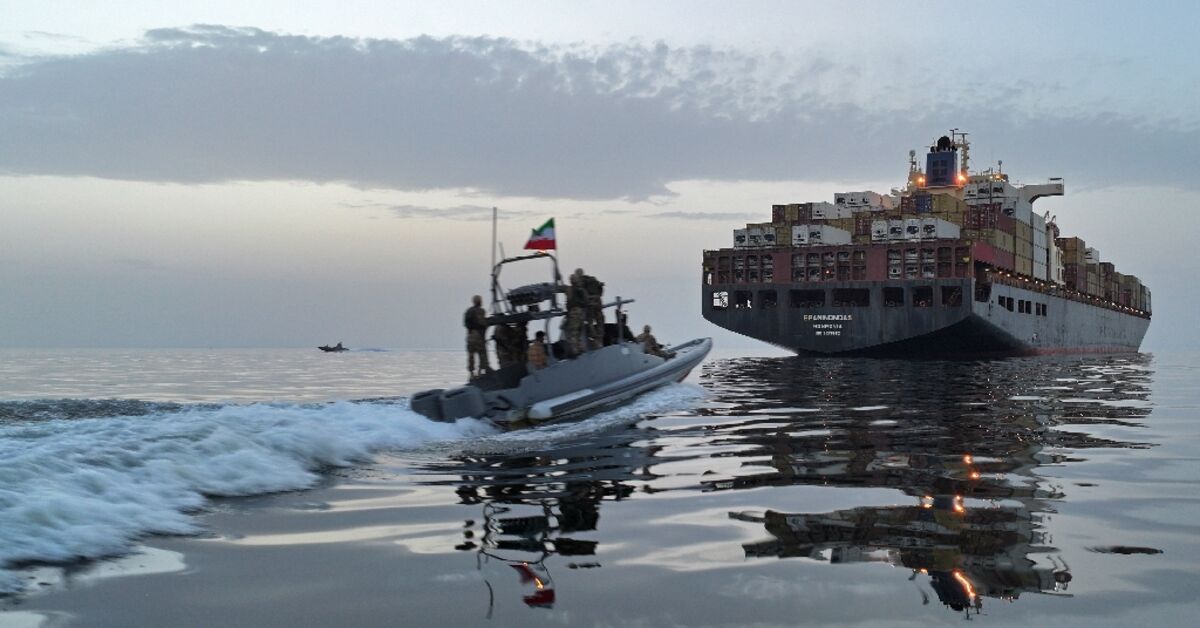
In a controversial statement, the head of the UN maritime agency confirmed on Monday that there is no legal basis for imposing fees on ships transiting through the Strait of Hormuz. This announcement comes at a time when the strait, one of the world's most crucial maritime corridors, is experiencing heightened tensions due to recent events in the region.
Since the attacks carried out by the United States and Israel on Iran in late February, shipping through the strait has faced severe restrictions. Iran has closed the corridor, leading to a sharp reduction in oil and gas flows and a significant increase in their prices. In response, the United States has imposed a blockade on Iranian ports, further complicating the situation.
Details of the Event
The statements from the UN maritime agency serve as a response to Iranian threats to impose transit fees on ships as part of any lasting peace agreement. This move by Tehran comes in the context of its attempts to strengthen its position in international negotiations, especially given the economic pressures it faces.
It is noteworthy that the Strait of Hormuz is a vital transit point for approximately 20% of the world's oil, making it a focal point for major powers. Any changes in control or transit fees could significantly impact global oil markets.
Background & Context
Historically, the Strait of Hormuz has witnessed numerous political and military crises, serving as a stage for multiple conflicts between regional states and global powers. Since the Iranian Revolution in 1979, the strait has become a point of tension between Iran and the United States, with Washington accusing Tehran of threatening maritime navigation.
In recent years, tensions have escalated notably, particularly after the United States withdrew from the Iranian nuclear agreement in 2018. This withdrawal led to an escalation of military actions from both sides, negatively affecting international trade flows.
Impact & Consequences
The repercussions of these events extend beyond regional borders, affecting the global economy as a whole. Rising oil prices due to instability in the region could lead to increased shipping costs, which would reflect on the prices of goods and services in global markets.
Moreover, the imposition of transit fees by Iran could provoke reactions from major powers, intensifying tensions in the region. These dynamics could lead to escalated military conflicts or even new international interventions.
Regional Significance
For Arab countries, any disruption in shipping through the Strait of Hormuz could directly impact their economies, especially those reliant on oil exports. Additionally, rising oil prices could affect national budgets and development plans.
Arab nations are striving to enhance maritime security, and forming new alliances may be essential to address the growing challenges in the region. Cooperation among Arab states could be key to maintaining regional stability and ensuring the flow of trade.
In conclusion, the recent statements from the UN maritime agency reflect the complexity of the situation in the Strait of Hormuz, highlighting the importance of international cooperation to ensure maritime security and stabilize global markets.