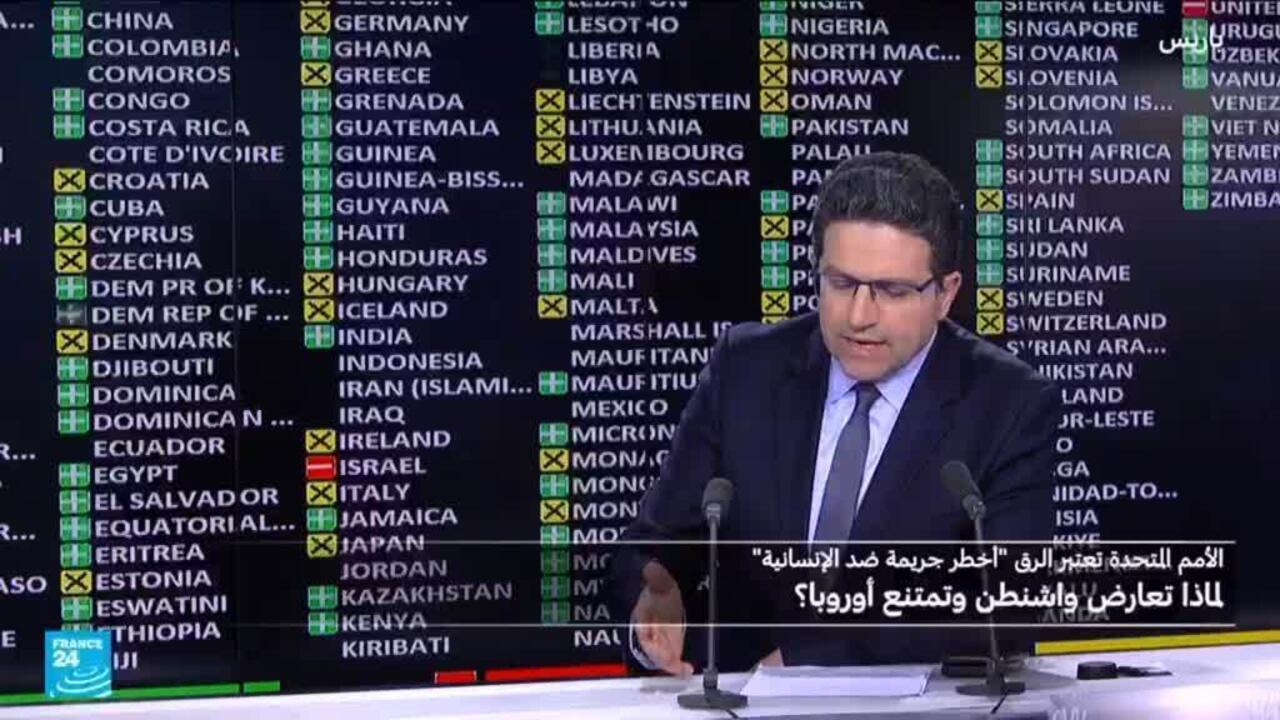
In a historic move, the United Nations General Assembly adopted a resolution proposed by Ghana aimed at recognizing transatlantic slavery as a grave crime against humanity. This resolution, which also calls for reparations for victims, came despite strong opposition from the United States and Israel, with several European countries abstaining from the vote.
This step is seen as an international acknowledgment of the historical atrocities committed during the slave trade, where millions of Africans were forcibly transported to the Americas under harsh and inhumane conditions. The resolution aims to highlight the ongoing impact of these practices on African and African American communities.
Details of the Resolution
The resolution, which was adopted by a majority vote, reflects the efforts of Ghana and other African nations to restore dignity to the victims who suffered from slavery. This proposal was presented in the context of commemorating the anniversary of the transatlantic slave trade, emphasizing the necessity of recognizing the crimes committed and demanding reparations for the victims and their families.
Despite broad support from African nations, the United States and Israel voted against the resolution, with Washington arguing that such decisions could provoke new tensions in international relations. Additionally, many European countries abstained from voting, reflecting differing positions on how to address issues of painful history.
Background & Context
The transatlantic slave trade was one of the most horrific chapters in human history, with approximately 12.5 million Africans believed to have been forcibly transported to the Americas between the 16th and 19th centuries. These practices led to the destruction of entire communities and left deep social and economic scars that persist to this day.
In recent years, many countries have witnessed increasing calls to recognize slavery as a crime against humanity, with international events and conferences highlighting this issue. This UN resolution is considered a significant step towards achieving historical justice.
Impact & Consequences
This resolution is expected to have a significant impact on international relations, particularly between Western nations and African countries. It may open the door to new claims for reparations, potentially leading to diplomatic tensions between governments. Furthermore, this decision could encourage other nations to take similar steps to acknowledge their colonial pasts.
Moreover, this resolution may influence discussions around racism and discrimination in Western societies, as recognizing slavery is seen as a step towards addressing ongoing issues faced by communities of African descent.
Regional Significance
For the Arab region, this decision serves as a reminder of the importance of acknowledging the past and its painful history. Arab countries were also part of the history of the slave trade, with many Africans transported to the Arab world. This acknowledgment could enhance dialogue around issues of slavery and discrimination in the region.
Additionally, this resolution may contribute to strengthening relations between Arab and African nations, opening avenues for further cooperation in human rights and social development.
In conclusion, the adoption of this resolution by the United Nations underscores the importance of recognizing historical crimes and working towards achieving justice for victims. As discussions around slavery and its impacts continue, there remains hope that this step will contribute to raising global awareness and achieving social justice.