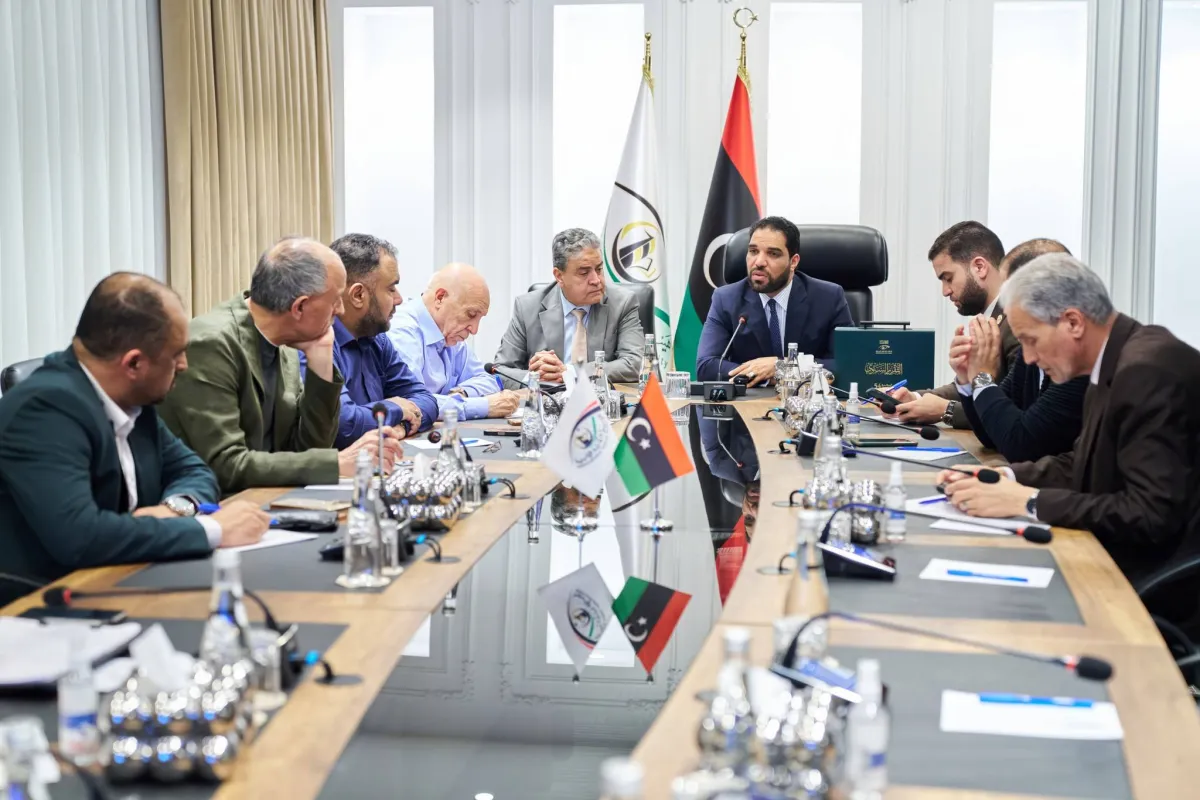
The UN Expert Panel report has revealed an increasing influence of armed militias in Libya, where these groups have employed various tools of armed violence, political influence, and economic pressure to infiltrate state institutions. This situation reflects a politically and security-unstable reality, obstructing mechanisms of oversight and accountability.
The report states that these armed formations have managed to enhance their influence through political fronts, leading to the entrenchment of their power within the state's structure. It also pointed out that these groups have used violence without accountability, allowing them to escape punishment and strengthen their gains.
Details of the Event
Experts agree with the findings of the report, as Abu Ajila Saif al-Nasr, a member of the structured dialogue sponsored by the UN mission, confirmed that corruption in Libya aligns with the reality. He explained that the prevailing political division and chaos have provided a fertile environment for corruption, negatively affecting the performance of regulatory bodies.
Saif al-Nasr noted that the periodic reports issued by the Audit Bureau do not reflect the true extent of corruption, as many corruption incidents remain locked away without effective judicial action. This situation complicates anti-corruption efforts and reinforces militia dominance over the state.
Background & Context
Historically, the Audit Bureau in Libya has faced repeated incursions by armed militias, reflecting weak security and oversight measures. In 2020, Reda Qarqab, one of the bureau's directors, was kidnapped, raising concerns about the ability of regulatory institutions to operate independently.
Furthermore, the political division in the country has led to a concentration of Audit Bureau reports in the west, while reports from its eastern branch remain unpublished. This division reflects the significant challenges regulatory bodies face in carrying out their duties.
Impact & Consequences
Concerns are growing that the continuation of corruption in Libya will threaten the unity of the state, as parallel power centers to legitimate authority are being strengthened. This situation contributes to the erosion of trust between citizens and the state, hindering investment and economic development.
Dr. Mustafa Ben Hammouda, director of the Libyan Center for Sustainable Development, described these practices as "corruption by force of arms," indicating that this hybrid pattern represents one of the most significant obstacles to the work of regulatory bodies. He also warned of future risks that could exacerbate the economic and social conditions in the country.
Regional Significance
The situation in Libya serves as a model for the issues of corruption and division faced by many Arab countries. The increasing influence of armed militias reflects larger challenges that states encounter in building strong and effective institutions. Additionally, corruption in Libya could affect regional stability, as its impact may extend to neighboring countries.
In conclusion, the situation in Libya requires concerted efforts to restore the rule of law and strengthen regulatory institutions, through unifying international and local efforts to combat corruption and restore trust between citizens and the state.