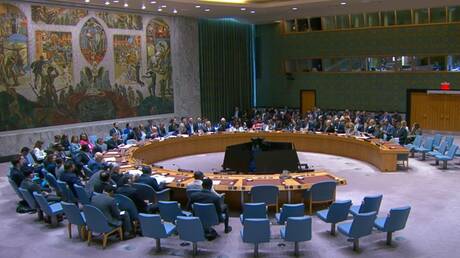
The UN Security Council has failed to approve a resolution put forward by Bahrain regarding the opening of the Strait of Hormuz, highlighting the profound divisions among member states. This setback occurs at a critical juncture, as the Strait of Hormuz is a vital maritime passage, with rising tensions between major powers.
The Bahraini proposal aimed to enhance security in the region and ensure freedom of navigation; however, both Russia and China exercised their veto power against the resolution, preventing its passage. This veto underscores the differing positions of major countries on issues related to the Middle East and raises questions about the future of international cooperation in this area.
Details of the Event
Bahrain submitted the resolution in an effort to bolster security in the Strait of Hormuz, through which approximately 20% of the world's oil flows. Nonetheless, the Russian and Chinese vetoes reflect a lack of consensus among major powers on how to address tensions in the region. Bahrain expressed its disappointment over this decision, emphasizing the importance of opening the strait to ensure global market stability.
Simultaneously, Russia and China reiterated the necessity of respecting national sovereignty and refraining from interference in internal affairs. This stance reflects the escalating tensions between Western powers and Russia and China, particularly concerning policies in the Middle East.
Background & Context
The Strait of Hormuz is a critical point in global trade, facilitating the passage of oil and natural gas from Gulf countries to international markets. Historically, the strait has witnessed numerous tensions, particularly between Iran and Western nations. In recent years, these tensions have escalated due to sanctions imposed on Iran and regional disputes.
Bahrain is considered a U.S. ally in the region and has sought to enhance security cooperation with Western countries. However, the Russian and Chinese vetoes highlight the challenges Arab nations face in garnering international support for their security initiatives.
Impact & Consequences
The failure to pass the resolution represents a setback for Arab efforts to enhance regional security. It also reflects the deep divisions among major powers, which could impact overall stability in the region. Should tensions persist, we may witness an escalation in maritime disputes, potentially affecting oil prices and global markets.
Moreover, this failure may weaken Bahrain's position on the international stage, presenting greater challenges in reinforcing its national security. Other countries in the region may also feel anxious about their inability to secure international support for their security concerns.
Regional Significance
The issue of the Strait of Hormuz is vital for Arab nations, impacting their economies and security. The failure to approve the resolution may exacerbate instability in the region and strengthen the position of regional powers seeking to undermine security.
Ultimately, the question remains as to how Arab nations will address these challenges and whether they can enhance their security cooperation in the face of international pressures. Strengthening security in the Strait of Hormuz requires joint efforts and collaboration between Arab states and major powers.